 Save to Pinterest
 Last spring, I watched my neighbor arrange a tiered cake on her garden table, surrounded by actual flowers from her beds, and realized the most stunning desserts don't need to be complicated—just intentional. This naked cake with its whisper-thin layers, bright lemon curd, and scattered edible flowers became my answer to every celebration that needed elegance without fuss. The first time I made it, the lemon aroma filled my kitchen so completely that my kids came running, convinced something magical was happening. It was, really—just butter, sugar, and the promise of something beautiful.
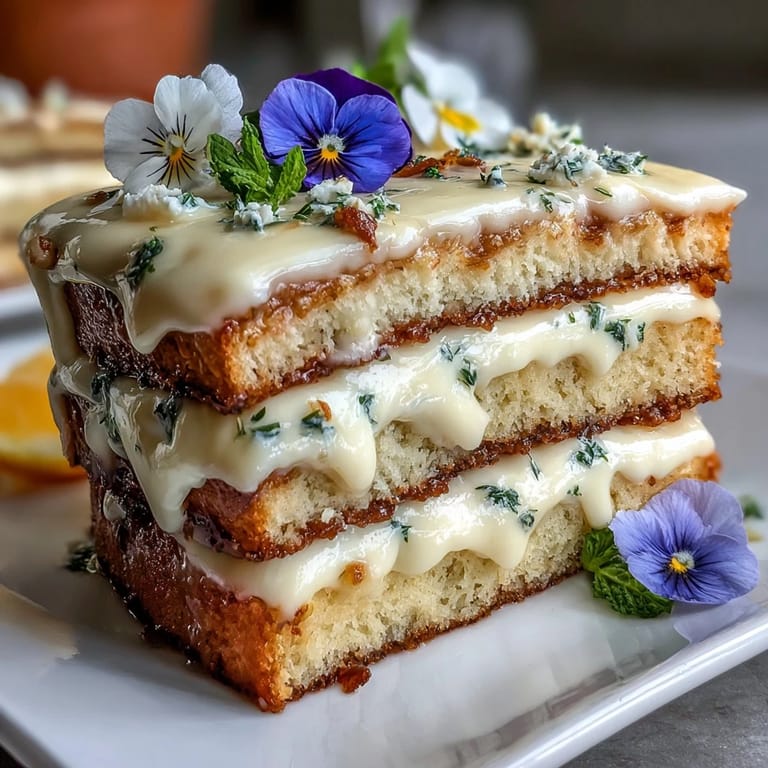
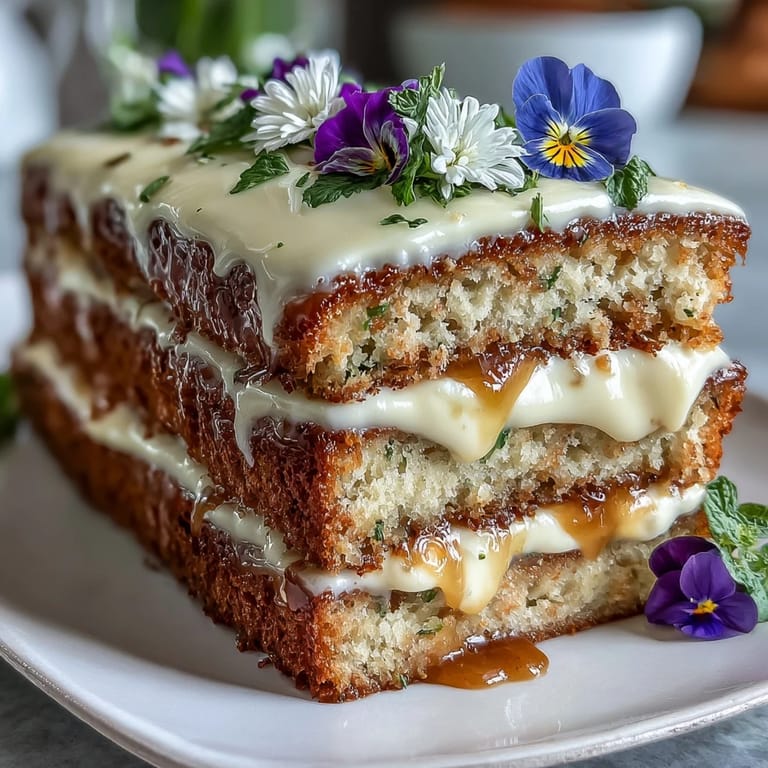
I'll never forget bringing this to a spring baby shower where someone whispered, "Did you actually make this?" with genuine surprise—not in a doubting way, but in the way people respond to something that feels too polished to be homemade. Watching guests lift a slice and see those distinct layers, the golden curd peeking through, the flowers catching light—that's when I understood why this cake became my go-to for moments that matter.
Ingredients
- All-purpose flour (2 1/2 cups): Use fresh flour stored in a cool place; older flour can lose its lift, and you'll notice it in the cake's tender crumb.
- Baking powder and baking soda (2 tsp and 1/2 tsp): These work together to give you that feathery, delicate texture; don't skip the soda or your cake stays dense.
- Unsalted butter (1 cup, softened) and granulated sugar (1 3/4 cups): Room-temperature butter creams faster and traps more air, which is your secret to a light cake.
- Eggs (4 large, room temperature) and buttermilk (1 cup): Cold eggs don't incorporate as smoothly; let them sit on the counter while you prep other ingredients.
- Lemon zest (from 1 lemon for cake, 2 for curd): Zest before juicing—you'll get more fragrant oils and won't waste any juice.
- Freshly squeezed lemon juice (3/4 cup): Bottled juice tastes flat; fresh lemons give you that bright, almost tart edge that makes this cake sing.
- Egg yolks (4) for curd: Save your whites for something else—they're too valuable to waste.
- Heavy cream (2 cups, cold): Cream whips better when it's actually cold; I chill my bowl and beaters too, which sounds fussy but genuinely makes a difference.
- Edible flowers (1–2 cups): Seek out pansies, violas, or nasturtiums from a specialty grocer or farmers market where you can confirm they're pesticide-free and grown specifically for eating.
Tired of Takeout? 🥡
Get 10 meals you can make faster than delivery arrives. Seriously.
One email. No spam. Unsubscribe anytime.
Instructions
- Prepare your stage:
- Preheat the oven to 350°F (175°C) and grease three 8-inch round cake pans with butter, then line the bottoms with parchment paper—this step matters more than you'd think because even a tiny stick spot will catch cake. Have all your ingredients measured and within arm's reach; baking moves fast once you start.
- Combine dry ingredients:
- Whisk together flour, baking powder, baking soda, and salt in a medium bowl, breaking up any little lumps of flour you find. This mixing-before step prevents streaks of unmixed baking soda in your finished cake.
- Cream butter and sugar:
- Beat softened butter and granulated sugar together for about 3 minutes until the mixture is pale, fluffy, and noticeably lighter in color—this is where air enters the cake. Stop the mixer occasionally to scrape the bowl's sides so everything incorporates evenly.
- Add eggs one at a time:
- Crack each egg into a small cup first, then add it to the butter mixture while beating; this prevents shell fragments and lets you add each egg at the same temperature. Beat well after each addition so the egg fully combines before you add the next one.
- Fold in flavor:
- Mix in vanilla extract and lemon zest until the batter smells bright and carries visible flecks of zest throughout. This is a quick step—just 30 seconds of mixing.
- Alternate wet and dry carefully:
- Add the dry ingredients to the wet mixture in three additions, alternating with buttermilk, beginning and ending with dry ingredients. Mix on low speed just until you see no white streaks—overmixing toughens the cake, and you want it tender.
- Divide and bake:
- Pour the batter evenly into the three prepared pans, smoothing the tops with an offset spatula. Bake for 25–30 minutes, until a toothpick inserted in the center comes out clean or with just a crumb or two.
- Cool properly:
- Let cakes rest in their pans for 10 minutes—they're fragile when hot—then turn them out onto a wire rack to cool completely, which takes about an hour. Patience here prevents broken layers later.
- Make the lemon curd:
- Set a heatproof bowl over a saucepan of simmering water (not touching the water), and whisk together lemon juice, zest, sugar, and egg yolks. Whisk constantly for 8–10 minutes until the mixture thickens enough to coat the back of a spoon; it will be pale yellow and noticeably denser.
- Finish the curd smoothly:
- Remove from heat and whisk in butter, one piece at a time, until the curd is silky and the butter completely melts in. Let it cool to room temperature, then refrigerate; it will thicken further as it chills.
- Whip the cream:
- Pour cold heavy cream into a bowl and beat until soft peaks form, then add powdered sugar and vanilla, beating until stiff peaks form. Refrigerate immediately if you're not assembling right away.
- Assemble with intention:
- Place one cake layer on your serving platter and spread half the lemon curd across the top, then add a generous layer of whipped cream. Add the second cake layer, repeat with remaining curd and cream, then top with the final layer and a thick, dramatic topping of whipped cream.
- Decorate just before serving:
- Scatter edible flowers across the top and add lemon zest curls if you like; this keeps flowers fresh-looking and prevents them from wilting into the cream.
 Save to Pinterest
 What struck me most was the moment a friend cut into her slice and paused, studying those distinct layers with the lemon gold between them, then tasted it and said nothing for a few seconds—which, for her, meant it was perfect. That silence was better than any compliment, because it meant the cake had done what it was supposed to do: stopped time for just a moment.
Why This Cake Works for Spring
Spring calls for something light, and this cake delivers without feeling insubstantial or empty—the lemon curd adds brightness and a subtle tang that keeps the whipped cream from becoming cloying. The layers show what's inside, which feels celebratory and approachable at the same time. It's the kind of dessert that looks like you spent hours fussing, but mostly you just followed steps and let good ingredients do the work.
Make-Ahead Strategy
Bake the cake layers a full day ahead and store them in an airtight container; they actually taste better the next day as the flavors settle. Make the lemon curd up to 3 days in advance and keep it covered in the refrigerator, bringing it to room temperature before assembly so it spreads easily. Whip the cream no more than 2 hours before serving, or it breaks down and weeps.
Variations and Serving Ideas
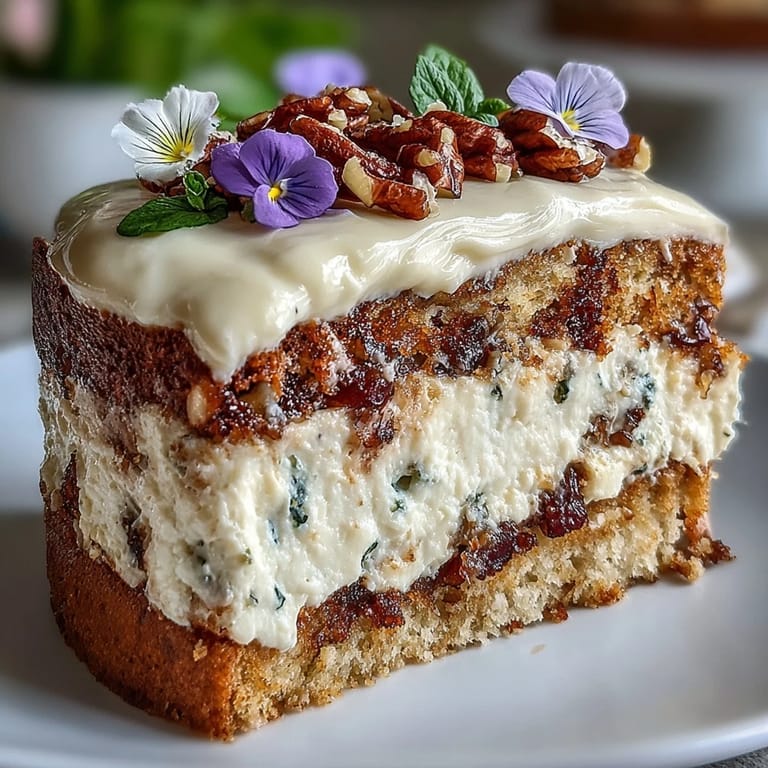
You can swap half the whipped cream for mascarpone to create a richer, almost cream-cheese-like texture that some people find more luxurious—it also holds up better if your kitchen is warm. Serve this with sparkling wine, elderflower cordial, or simply with strong tea; the acidity of each complement cuts through the sweetness beautifully. For a smaller gathering, you can bake this in two 8-inch pans instead of three and layer it twice, adjusting the filling amounts proportionally.
- Add a tablespoon of Limoncello or elderflower liqueur to the whipped cream for an extra flavor dimension.
- If edible flowers aren't available, use candied lemon peel or a light dusting of powdered sugar and fresh lemon zest instead.
- This cake keeps refrigerated for 2 days, though it's best served within a few hours of assembly for the crispest cake layers.
 Save to Pinterest
 This cake became my spring tradition, the one I reach for when a moment needs something memorable but not overly fussy. There's something about lemon and flowers together that just feels like hope on a plate.
Recipe FAQs
- → How do I ensure the cake layers remain moist?
Use fresh buttermilk and avoid overmixing the batter to maintain a tender crumb. Baking the layers just until a toothpick comes out clean keeps them moist.
- → What is the best way to prepare the lemon curd?
Whisk lemon juice, zest, sugar, and egg yolks over simmering water, stirring constantly until thickened, then stir in cubed butter for smoothness.
- → Can I substitute the whipped cream with another topping?
Yes, mascarpone blended with whipped cream enhances richness, or stabilized whipped cream helps maintain texture longer.
- → How should the edible flowers be handled before decorating?
Ensure flowers are pesticide-free and rinsed gently. Dry thoroughly before placing to avoid wilting and maintain freshness.
- → What is the best way to assemble the cake layers?
Alternate spreading lemon curd and whipped cream between cooled cake layers, finishing with whipped cream and topped with flowers and lemon zest curls.