 Save to Pinterest
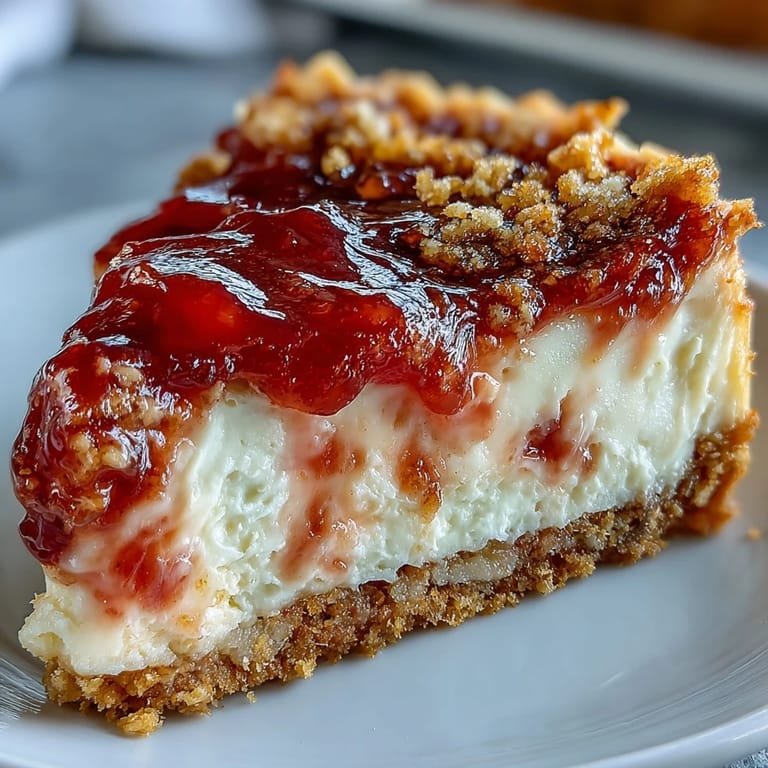
 My aunt brought a slice of guava cheesecake to a family dinner years ago, and I watched everyone go quiet the moment they tasted it—that creamy filling hitting against the bright, tart guava swirl was like discovering a flavor I didn't know I was missing. The Maria cookie crust held everything together with this understated crunch that made the whole thing feel both elegant and deeply comforting. I spent weeks trying to recreate it in my own kitchen, learning that patience and a gentle hand with the swirling made all the difference. Now when I bake this, the smell of buttery cookie crust mixing with caramelized guava fills my apartment with a warmth that feels like home.
I made this for a dinner party last summer when guavas were at their peak, and my neighbor who's usually skeptical about homemade desserts actually asked for seconds. There's something about serving a warm slice that's still slightly cool from the fridge, watching someone experience that first moment of surprise when the tropical flavor hits. It became the dessert everyone remembered that night, not because it was showy, but because it tasted genuinely thoughtful.
Ingredients
- Maria cookies: These delicate, lightly sweet crackers create a tender crust that's different from heavy digestive biscuits—they disappear into buttery crumbs without overpowering the filling.
- Unsalted butter: Essential for controlling the salt level; melted butter ensures the crust holds together without becoming greasy or dense.
- Cream cheese: Room temperature is non-negotiable here; cold cream cheese will create lumps that no amount of beating can fix, so pull it out at least an hour before starting.
- Sour cream: This adds tanginess that plays beautifully against the guava's natural sweetness and keeps the filling from becoming one-dimensional.
- Guava marmalade or paste: Look for versions with visible fruit pieces rather than smooth jellies; the texture adds complexity and that authentic flavor punch.
- Lime zest: Optional but genuinely transformative—it whispers in the background without announcing itself, just brightening everything.
Tired of Takeout? 🥡
Get 10 meals you can make faster than delivery arrives. Seriously.
One email. No spam. Unsubscribe anytime.
Instructions
- Prepare your pan:
- Preheat your oven to 160°C and line a 23 cm springform pan with parchment paper, making sure it comes up the sides slightly so the crust stays in place. A light grease on the metal helps everything release more easily at the end.
- Build the crust:
- Pulse your Maria cookies until they look like fine sand—not powder, but definitely not chunks. Mix them with melted butter and sugar until the texture reminds you of wet beach sand, then press firmly into the pan base.
- Toast the foundation:
- Bake that crust for exactly 10 minutes; you're not trying to brown it, just set it slightly so it holds its shape when you pour the filling. Let it cool while you move to the next step.
- Make the filling creamy:
- Beat softened cream cheese and sugar until it's completely smooth and pale, about 2-3 minutes—this is where patience pays off. Any lumps now will be with you through baking, so take your time.
- Fold in the dairy:
- Add sour cream and mix until just combined, then add eggs one at a time, beating gently after each. Don't overmix once the eggs are in; you're incorporating air, not making soup.
- Add brightness:
- Stir in vanilla and lime zest if using, mixing just until distributed evenly throughout the filling.
- Prepare the guava:
- Warm your guava marmalade gently in a small saucepan, stirring until it reaches a pourable consistency. If it's thick paste, mash it with the back of a spoon until smooth.
- Create the swirl:
- Pour the filling over the cooled crust, smooth the top gently, then drop spoonfuls of guava across the surface. Use a knife or skewer to cut through the guava and filling, creating those beautiful marbled patterns without overworking it.
- Bake with confidence:
- Bake for 50-55 minutes until the edges are set but the very center still jiggles slightly when you gently shake the pan. This is crucial—overbaking leads to cracks and a dry texture.
- Cool gently:
- Turn off the oven and crack the door open; let the cheesecake rest in the cooling oven for a full hour. This gradual temperature change prevents the dramatic cracks that come from sudden cooling.
- Chill completely:
- Refrigerate for at least 3 hours, preferably overnight, so the flavors meld and the texture becomes properly set and sliceable.
 Save to Pinterest
 There was a moment last winter when someone I hadn't seen in years came over and took a bite of this cheesecake, and suddenly we were talking about all the desserts we'd shared over the years. It reminded me that food has this quiet power to connect moments in time, to say things we sometimes can't express with words. That's what this recipe has become to me—a bridge between the people I cook for and the care I'm trying to show them.
The Secret Behind the Swirl
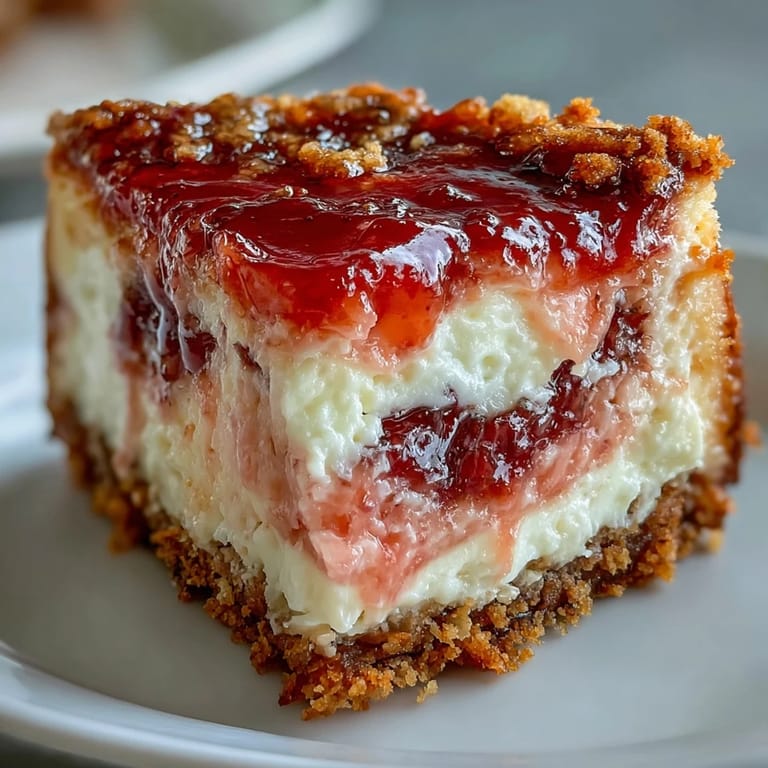
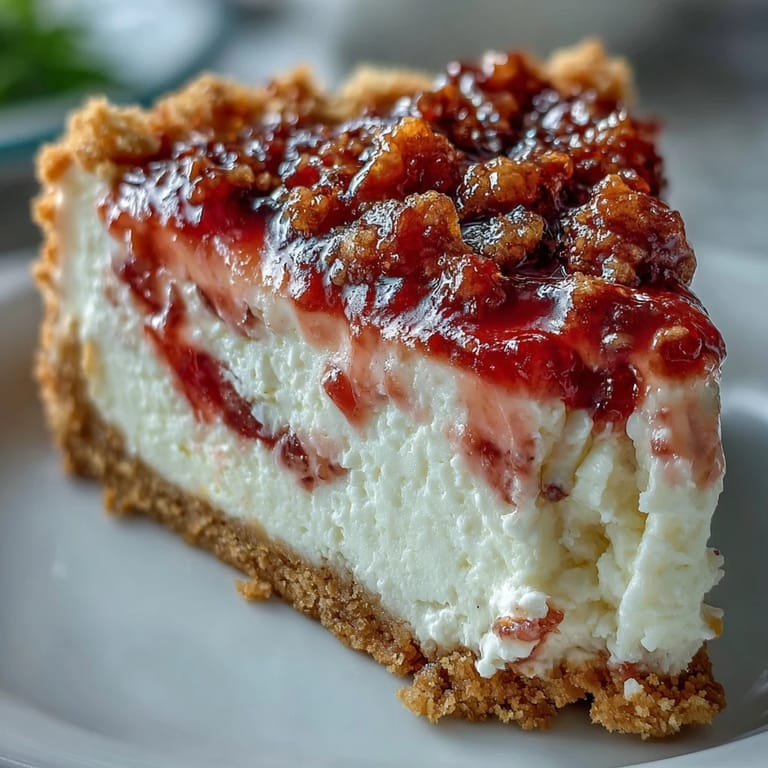
The magic of the guava swirl isn't in making it perfect; it's in letting it be slightly imperfect. When you drag that knife through the guava and filling, you're creating pockets and threads of flavor rather than a uniform pattern. Some sections will have more guava, others more cream cheese, and that variation is exactly what makes each bite interesting. I used to worry about making my swirls look magazine-worthy until I realized the casual approach tastes so much better—the less you fuss with it, the better the final result.
Why This Crust Works
Maria cookies are a revelation if you've only ever used graham crackers for cheesecake crusts. They're more delicate, with a subtle sweetness that doesn't compete with what's on top, and they create a texture that's crisp without being hard or gritty. The butter and sugar mixture distributes more evenly through them because they crumble so finely, giving you a cohesive base that supports the filling without announcing itself. Toast them just long enough to set them, not brown them—this keeps everything refined and delicate.
Timing, Temperature, and Other Details
The lower oven temperature of 160°C is intentional; it bakes the cheesecake gently enough that the outside doesn't overcook while the center is still setting. This slower bake is why you need closer to an hour of cooking time rather than the shorter, hotter approach some recipes use. When you're checking doneness, look for the edges to be set and slightly pulled back from the pan while the center has just a tiny jiggle—trust this over any time listed. For slicing, a sharp knife dipped in hot water between cuts makes the difference between clean slices and messy pulls; wipe your knife with a clean cloth between each cut for best results.
- Let your knife sit in hot water for 30 seconds before each slice for the cleanest cuts.
- If you're making this ahead, you can bake it the day before and refrigerate it in the pan overnight.
- Bring slices back to room temperature for 15 minutes before serving if you want the creamiest texture and fullest flavor.
 Save to Pinterest
 This cheesecake has taught me that sometimes the most memorable desserts are the ones that combine familiar comfort with unexpected flavor. Making it reminds me to slow down, to appreciate the small details like how guava smells when it's warming, and why taking time with the swirl actually matters.
Recipe FAQs
- → How long should I chill the cheesecake before serving?
Refrigerate for at least 3 hours, though overnight chilling yields the firmest texture and most developed flavors. The extended resting period allows the cream cheese filling to set completely while the guava swirl firms up for clean, beautiful slices.
- → Can I use fresh guava instead of marmalade?
Fresh guava lacks the concentrated sweetness and thick consistency needed for proper swirling. Simmer fresh guava with sugar until it reduces into a thick, spreadable paste, or use guava paste thinned with water for authentic results.
- → Why does my cheesecake crack on top?
Cracking typically occurs from rapid temperature changes or overmixing the eggs. Always cool gradually in the oven with the door cracked, and incorporate eggs gently just until combined. This preserves the smooth surface structure.
- → What can I substitute for Maria cookies?
Graham crackers, digestive biscuits, or vanilla wafers work beautifully. Each brings slightly different sweetness levels and texture. Adjust the sugar in the crust accordingly if using particularly sweet alternatives.
- → How do I know when the cheesecake is done baking?
The edges should appear set and slightly puffy while the center retains a gentle jiggle, similar to firm gelatin. This residual heat completes the cooking process during the gradual cooling phase without overbaking.
- → Can I freeze this cheesecake?
Yes, freeze the entire chilled cheesecake or individual portions. Wrap tightly in plastic then foil before freezing for up to 3 months. Thaw overnight in the refrigerator for best texture retention.