 Save to Pinterest
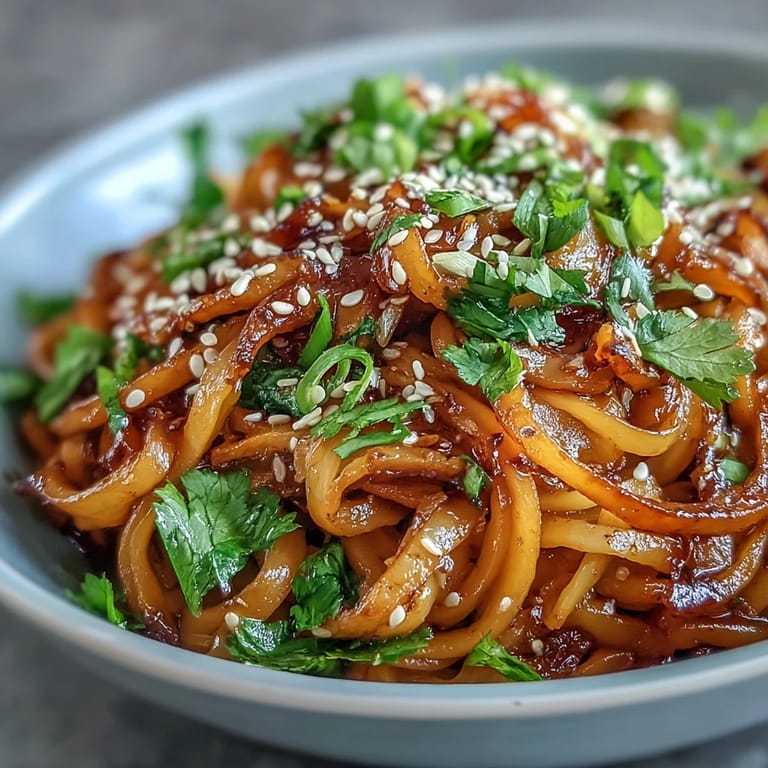
 I was staring at a swede I'd bought on impulse, unsure what to do with it beyond the usual mash. Then I remembered the gochujang jar tucked in my fridge and thought, why not? The idea of turning something so humble into ribbons and roasting them with that fiery, sweet paste felt like a small rebellion against boring weeknight dinners. When I tossed everything together that first time, the kitchen smelled like sesame and heat, and I knew I'd stumbled onto something good.
I served this to friends who claimed they didn't like swede, and they went quiet for a moment before asking for seconds. One of them said it reminded her of a noodle dish she'd had in Seoul, which felt like the highest compliment. It's become my go-to when I want to surprise people with something that looks vibrant and tastes even better than it looks.
Ingredients
- Swede (rutabaga): Peeled and cut into thin ribbons, it roasts up sweet and caramelized, soaking up the dressing beautifully.
- Rice noodles: These provide a soft, slippery base that contrasts perfectly with the crispy edges of the roasted swede.
- Gochujang: This Korean chili paste is the heart of the dish, bringing deep umami, sweetness, and just the right amount of heat.
- Soy sauce: Adds salty depth and ties the dressing together with a savory backbone.
- Maple syrup or honey: Balances the spice and helps the dressing cling to every strand and ribbon.
- Toasted sesame oil: A little goes a long way, adding nutty richness and that unmistakable aroma.
- Garlic and ginger: Freshly grated, they give the dressing a bright, punchy flavor that wakes everything up.
- Spring onions: Thinly sliced, they add a sharp, fresh bite that cuts through the richness.
- Sesame seeds: Toasted and sprinkled on top, they add crunch and a final layer of nuttiness.
- Fresh cilantro: A handful of this scattered over the top brings a burst of green and a cooling contrast.
Tired of Takeout? 🥡
Get 10 meals you can make faster than delivery arrives. Seriously.
One email. No spam. Unsubscribe anytime.
Instructions
- Roast the swede ribbons:
- Preheat your oven to 220°C (425°F) and toss the swede ribbons with vegetable oil, salt, and pepper. Spread them out on a baking sheet and roast for 25 to 30 minutes, turning halfway through, until they're golden and tender with crispy edges.
- Cook the noodles:
- While the swede roasts, cook the rice noodles according to the package instructions, then drain and rinse them under cold water to stop them sticking. Set them aside in a large bowl.
- Make the gochujang dressing:
- In a small bowl, whisk together the gochujang, soy sauce, maple syrup, rice vinegar, sesame oil, garlic, ginger, chili flakes if using, and water. Adjust the water until the dressing is pourable but still thick enough to coat.
- Toss everything together:
- Add the roasted swede, spring onions, carrot, and bean sprouts to the noodles, then pour over the gochujang dressing. Toss gently but thoroughly until everything is glossy and well coated.
- Serve and garnish:
- Divide the noodles among bowls and top with toasted sesame seeds and fresh cilantro. Serve immediately while the swede is still warm and slightly crisp.
 Save to Pinterest
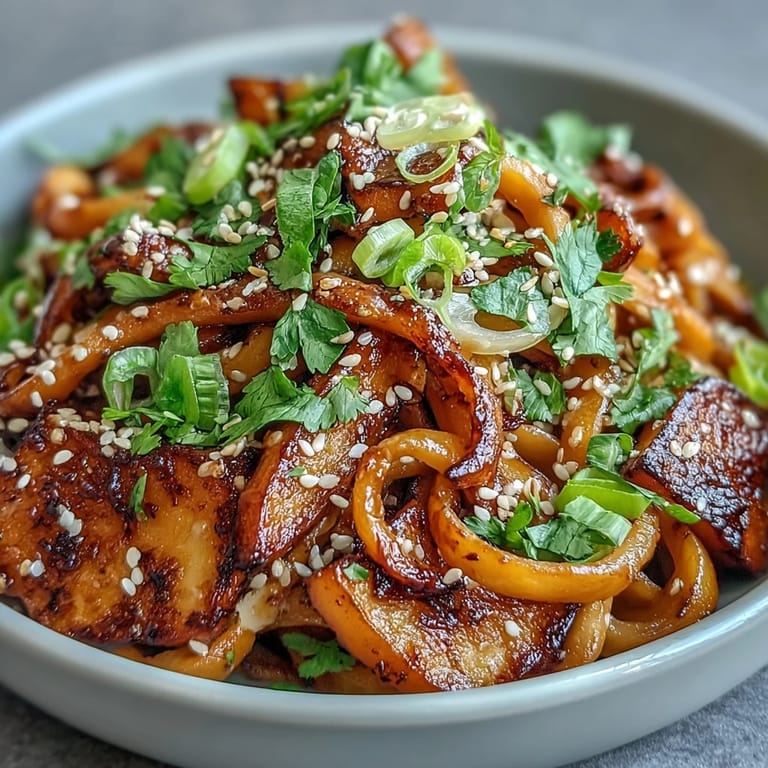
 There's something about the way the swede ribbons catch the sticky dressing and the noodles slip around them that makes this dish feel generous and full of life. It's the kind of meal that starts a conversation, whether it's about the unexpected star ingredient or the heat that sneaks up on you in the best way.
How to Prep the Swede Without Losing Your Mind
Use a vegetable peeler or a mandoline to slice the swede into thin ribbons, it's much easier than trying to julienne by hand. Work slowly and watch your fingers, swede is dense and can be stubborn. If the ribbons are uneven, don't worry, the thinner bits will get crispy and the thicker ones will stay tender, which actually adds nice variety.
Making It Your Own
If you want more protein, pan-fry some tofu until it's golden and toss it in at the end, or add a handful of edamame for a pop of green. You can swap the swede for sweet potato ribbons or even spiralized zucchini if you're after something lighter. I've also added a fried egg on top when I'm eating it solo, the runny yolk mixes into the dressing and makes it even richer.
What to Serve It With
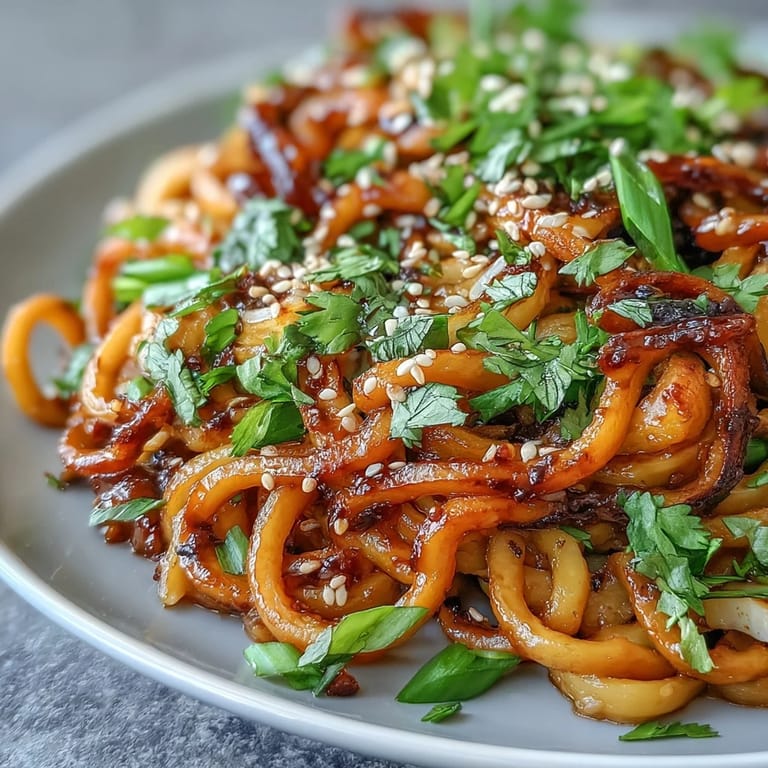
This dish is filling enough on its own, but it pairs beautifully with a side of quick-pickled cucumbers or a simple cabbage slaw. A crisp, slightly sweet Riesling or a cold lager cuts through the heat and complements the sesame notes. If you're feeding a crowd, double the batch and serve it family-style in a big bowl, it looks stunning and everyone can help themselves.
- Keep leftover dressing in a jar in the fridge, it's great on roasted vegetables or as a marinade.
- If you have extra swede ribbons, roast them with a bit of honey and chili for a snack.
- Reheat gently in a pan with a splash of water, the microwave can make the noodles rubbery.
 Save to Pinterest
 This is the kind of dish that reminds you how good simple ingredients can taste when you treat them right. I hope it brings a bit of warmth and surprise to your table, just like it did to mine.
Recipe FAQs
- → Can I substitute swede with another vegetable?
Yes, you can use butternut squash, sweet potato, or even zucchini ribbons as alternatives. Adjust roasting time accordingly based on the vegetable's density.
- → How spicy is this dish?
The spice level is moderate, coming mainly from gochujang. You can reduce the amount of gochujang or omit the chili flakes for a milder version, or add more for extra heat.
- → Can I make this dish gluten-free?
Absolutely. Use tamari instead of soy sauce and ensure your gochujang is certified gluten-free. Rice noodles are naturally gluten-free.
- → How do I store leftovers?
Store in an airtight container in the refrigerator for up to 3 days. The noodles may absorb some dressing, so you might want to add a splash of sesame oil or extra dressing when reheating.
- → What can I add for more protein?
Pan-fried tofu, edamame, tempeh, or even a soft-boiled egg work wonderfully. Add your protein of choice just before tossing with the dressing.
- → Can I prepare components ahead of time?
Yes, you can roast the swede and make the dressing up to 2 days in advance. Store separately and assemble just before serving for best texture.