 Save to Pinterest
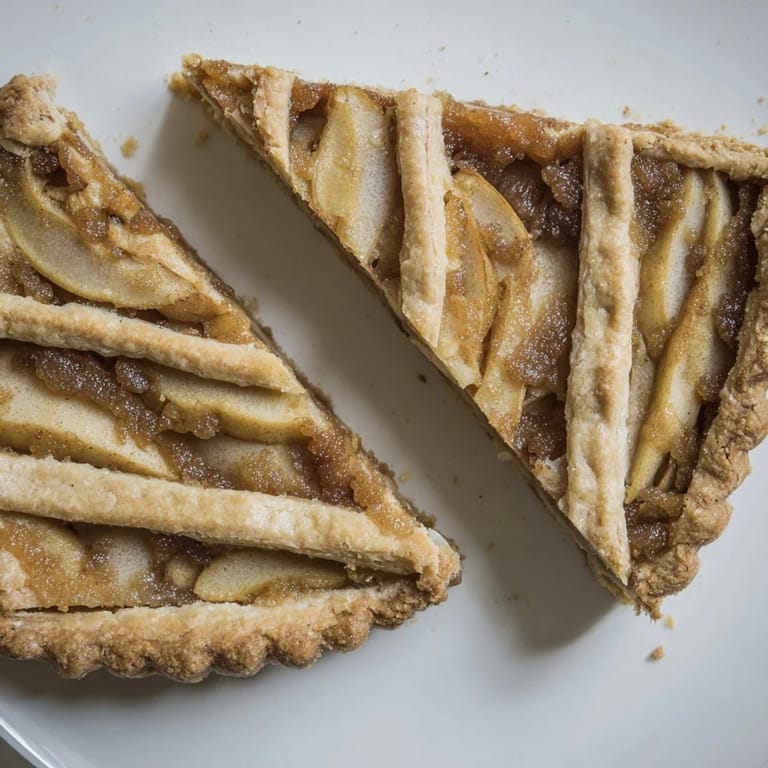
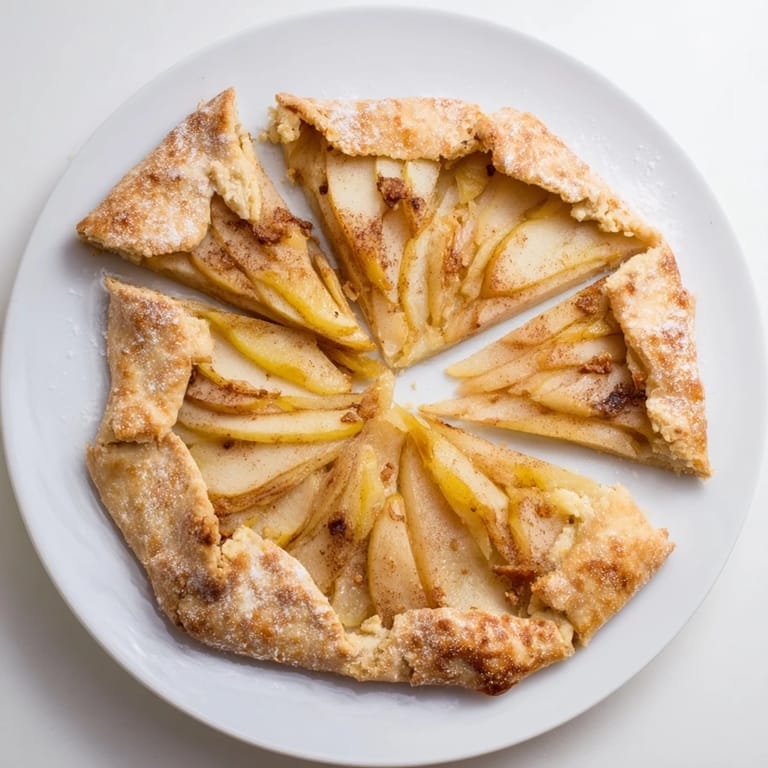
 I made this galette on a Sunday afternoon when I had three pears going soft on the counter and zero patience for a fussy pie. The smell of ginger and butter hit me the second I opened the oven, and I knew I'd stumbled onto something I'd make again and again. It's the kind of dessert that looks impressive but forgives every imperfection. The edges fold however they want, the filling bubbles where it pleases, and somehow that makes it even better.
The first time I served this, my neighbor leaned over the table and asked if I'd been hiding some secret baking talent. I laughed because I'd been panicking twenty minutes earlier when the dough cracked while I rolled it out. But that's the magic of a galette, it doesn't care if you're clumsy. I've made it for dinner parties, lazy weeknights, and once for myself just because the house felt too quiet.
Ingredients
- All-purpose flour: The backbone of the pastry, and regular flour works beautifully without needing anything fancy.
- Unsalted butter, cold and cubed: Cold butter creates those flaky layers, so keep it in the fridge until the last second.
- Salt: Just enough to balance the sweetness and bring out the buttery flavor.
- Ice water: Keeps the dough from warming up, which is the secret to tender pastry that doesn't shrink.
- Granulated sugar: A little sweetness in the dough makes it taste more like a treat than a vessel.
- Ripe pears, peeled, cored, and thinly sliced: I use Bartlett or Bosc, whatever's ripe but still holds its shape when baked.
- Crystallized ginger, finely chopped: This is the surprise ingredient that makes people ask what's in here.
- Light brown sugar: Adds a gentle molasses note that plays nicely with the ginger and cinnamon.
- Lemon juice: Keeps the pears from browning and adds a brightness that cuts through the richness.
- Ground ginger: Doubles down on the ginger flavor without overpowering the pears.
- Ground cinnamon: Warm and familiar, it ties everything together.
- Cornstarch: Thickens the juices so you don't end up with a soggy bottom.
- Egg, beaten: Brushed on the edges, it gives the crust that bakery-style shine.
- Turbinado or coarse sugar: Optional but worth it for the crunch and sparkle.
Tired of Takeout? 🥡
Get 10 meals you can make faster than delivery arrives. Seriously.
One email. No spam. Unsubscribe anytime.
Instructions
- Make the dough:
- Rub the cold butter into the flour, sugar, and salt until it looks like wet sand with a few pea-sized bits still visible. Add ice water slowly, just until the dough holds together when you squeeze it.
- Chill it down:
- Shape the dough into a flat disk, wrap it tight, and let it rest in the fridge for at least half an hour. This is when the gluten relaxes and the butter firms up again.
- Prep the filling:
- Toss your pear slices with lemon juice first, then add the sugars, spices, crystallized ginger, and cornstarch. The smell alone will make you hungry.
- Roll it out:
- On a floured surface, roll the dough into a rough 12-inch circle. Don't stress about perfection, uneven edges are part of the charm.
- Assemble the galette:
- Pile the pear mixture in the center, leaving a couple inches around the edge bare. Fold the pastry up and over the filling, pleating it as you go.
- Brush and sprinkle:
- Paint the folded edges with beaten egg and scatter turbinado sugar over the top if you want that extra crunch. It's a small step that makes a big difference.
- Bake until golden:
- Slide it into a 400-degree oven and bake for 35 to 40 minutes, until the crust is deeply golden and the filling is bubbling at the edges. Your kitchen will smell incredible.
- Cool and serve:
- Let it cool on the pan for at least 10 minutes before slicing. Serve it warm with a scoop of vanilla ice cream or a dollop of whipped cream.
 Save to Pinterest
 One evening I brought this to a potluck and watched someone take a bite, close their eyes, and say nothing for a solid five seconds. When they finally looked up, they just nodded and went back for another forkful. That's when I realized this galette doesn't need fancy plating or a long introduction. It speaks for itself.
Choosing Your Pears
I've tried this with rock-hard pears and overly soft ones, and the sweet spot is somewhere in the middle. You want them ripe enough to smell sweet but firm enough that they don't turn to mush in the oven. Bartlett pears are my go-to because they're easy to find and they hold up well, but Bosc works too if you like a firmer bite. If your pears are too hard, let them sit on the counter for a day or two, they'll ripen fast once they start.
The Pastry Trick That Changed Everything
For years I overthought pie dough, worrying about overworking it or adding too much water. Then I learned to stop when it still looks a little shaggy, right before it feels smooth. The dough comes together in the fridge, and that final chill is what makes it flaky instead of tough. I also started using a bench scraper to fold the dough over itself a couple times before shaping it, and that's when my crusts went from decent to actually good.
Serving and Storing
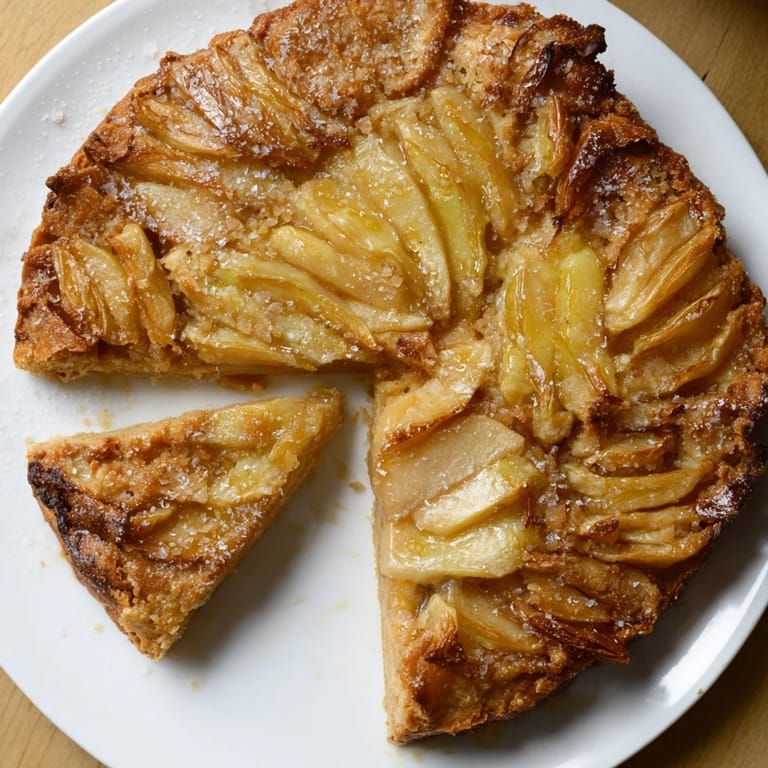
This galette is best the day you bake it, when the crust is still crisp and the filling is warm and glossy. That said, I've eaten it cold from the fridge the next morning and loved every bite. If you have leftovers, cover them loosely and keep them in the fridge for up to two days. You can reheat individual slices in a low oven to crisp up the pastry again, but honestly, I usually just eat it cold with my coffee.
- Try serving it with a drizzle of salted caramel or a sprinkle of flaky sea salt.
- If you want to make it ahead, you can roll out the dough and keep it in the fridge for a day before assembling.
- Swap the pears for apples, plums, or even a mix of stone fruit in the summer.
 Save to Pinterest
 This galette has become my answer to last-minute dinner guests and quiet Sunday afternoons when I just want to make something with my hands. It's never the same twice, and that's exactly why I keep coming back to it.
Recipe FAQs
- → What type of pears work best for this galette?
Ripe, firm pears like Bartlett or Bosc hold their shape well and provide a sweet, juicy texture perfect for baking.
- → How do I ensure a flaky pastry crust?
Use cold butter cut into the flour until crumbly and chill the dough before rolling to keep the crust tender and flaky.
- → Can I enhance the ginger flavor?
Yes, adding freshly grated ginger to the filling intensifies the warm, spicy notes alongside crystallized ginger.
- → What is the purpose of cornstarch in the filling?
Cornstarch thickens the fruit juices released during baking, preventing a soggy crust and ensuring a nicely set filling.
- → How should I serve the galette?
It is delicious served warm or at room temperature, optionally with whipped cream or vanilla ice cream to complement the spices.