 Save to Pinterest
 My sister brought home a jar of Lotus spread from her trip to Brussels, and I stared at it for weeks before finally tasting it on toast one rainy Saturday. The nutty, caramelized warmth hit me so hard I immediately started wondering what would happen if I baked it into a cake. That afternoon, I crushed a sleeve of Biscoff biscuits with the bottom of a mug and folded them into vanilla batter, then swirled in spoonfuls of that magical spread. The smell that filled my kitchen was like a European bakery had moved in next door.
I made this for my neighbors birthday, and she cried when she saw the crumbly Biscoff topping because it reminded her of cookies her grandmother used to keep in a tin. We ate thick slices on her porch while the sun set, and she told me stories about summers in Ghent. That cake became more than dessert, it turned into a bridge between her past and my kitchen experiments.
Ingredients
- Biscoff biscuits, crushed: Use a rolling pin or the bottom of a heavy mug to crush them into pebble sized pieces, not dust, so you get texture in every bite.
- All purpose flour: Sifting it with the leavening agents prevents lumps and makes the crumb tender and even.
- Baking powder and baking soda: This duo gives the cake a gentle rise and a soft, cloud like texture that contrasts beautifully with the crunchy bits.
- Unsalted butter, softened: Leave it on the counter for an hour so it creams easily with the sugar and creates that fluffy base.
- Granulated sugar: Beating it with butter until pale and airy is the secret to a light crumb.
- Large eggs: Add them one at a time and let each one fully blend in before adding the next to avoid curdling.
- Vanilla extract: A teaspoon enhances the warmth of the Biscoff without competing with it.
- Whole milk: Room temperature milk blends smoothly and keeps the batter from seizing up.
- Lotus spread (Biscoff spread): Swirl it gently into the batter so it creates marbled pockets of caramel magic.
- Powdered sugar: Sift it before adding to the frosting so you dont end up with gritty streaks.
- Heavy cream or milk: A tablespoon or two loosens the frosting to spreadable perfection.
Tired of Takeout? 🥡
Get 10 meals you can make faster than delivery arrives. Seriously.
One email. No spam. Unsubscribe anytime.
Instructions
- Prep the pan and oven:
- Preheat to 180°C and grease your pan well, then dust it with flour or line it with parchment so the cake releases cleanly. This step saves heartbreak later.
- Sift the dry ingredients:
- Combine flour, baking powder, baking soda, and salt in a bowl and whisk them together. Sifting prevents clumps and aerates the flour for a lighter crumb.
- Cream butter and sugar:
- Beat softened butter and granulated sugar on medium speed until the mixture turns pale and fluffy, about four minutes. This traps air bubbles that make the cake rise beautifully.
- Add eggs and vanilla:
- Mix in eggs one at a time, letting each blend fully before adding the next. Stir in vanilla extract and scrape down the bowl sides.
- Alternate dry and wet:
- Add the flour mixture in three parts, alternating with milk, starting and ending with flour. Mix just until streaks disappear to avoid a tough crumb.
- Fold in Biscoff and spread:
- Gently stir in crushed biscuits and dollops of Lotus spread, folding just enough to marble them through the batter. Overworking deflates the air youve built in.
- Bake until golden:
- Pour batter into the pan, smooth the top, and bake for 35 to 40 minutes. A toothpick should come out with just a few moist crumbs clinging to it.
- Cool completely:
- Let the cake rest in the pan for ten minutes, then turn it onto a wire rack. Frosting a warm cake will melt into a sticky mess.
- Make the Lotus frosting:
- Beat softened butter until smooth, then gradually add powdered sugar. Mix in Lotus spread, cream, and a pinch of salt, then whip on high for three minutes until fluffy.
- Frost and decorate:
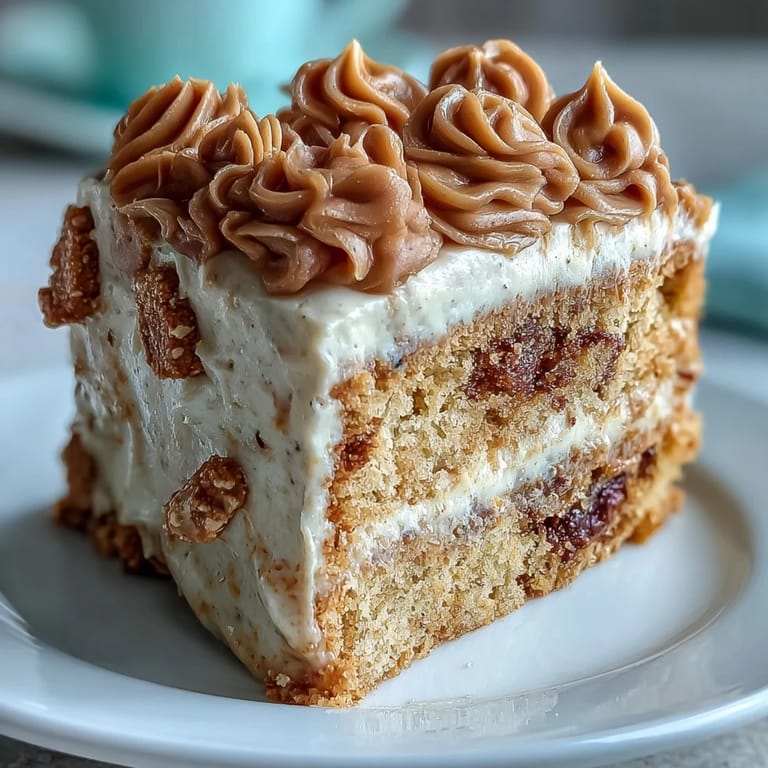
- Spread or pipe the frosting over the cooled cake, then sprinkle crushed Biscoff on top. Drizzle extra Lotus spread if you want it to look bakery fancy.
 Save to Pinterest
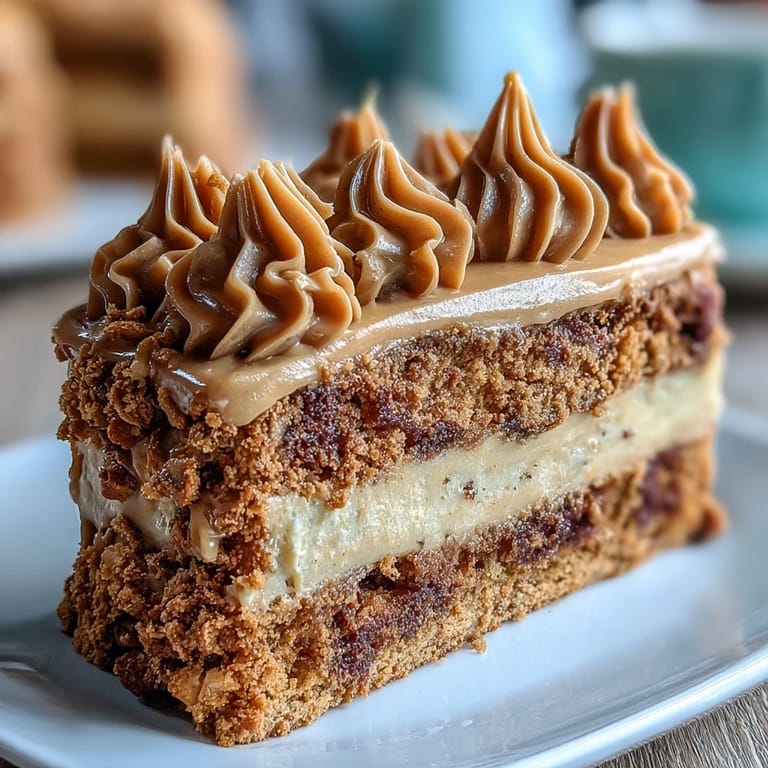
 One evening I served this cake after a chaotic dinner party where everything went wrong, the roast was dry, the salad wilted, but when I brought out this golden round topped with swirls of caramel frosting, the whole table went quiet. Someone said it tasted like childhood and comfort baked into one slice. That moment reminded me why I love baking, it forgives the mess and delivers joy on a plate.
Storing and Serving
This cake keeps beautifully in an airtight container at room temperature for up to three days, and honestly, it tastes even better on day two when the Biscoff pieces soften slightly and the frosting settles into the crumb. I like to serve it with strong black coffee or a mug of chai because the spiced notes in the biscuits echo the warmth of the tea. If you want to make it ahead, bake the cake and freeze it unfrosted for up to a month, then thaw and frost it the morning of your event.
Customizing Your Cake
I have folded dark chocolate chips into the batter for a richer twist, and once I added a handful of chopped toasted hazelnuts for extra crunch. You can also split the cake into two layers and fill the middle with extra Lotus frosting and a sprinkle of sea salt for a showstopper presentation. If you want a lighter version, swap half the butter for Greek yogurt, though the texture will be slightly denser and more rustic.
Making It Extra Special
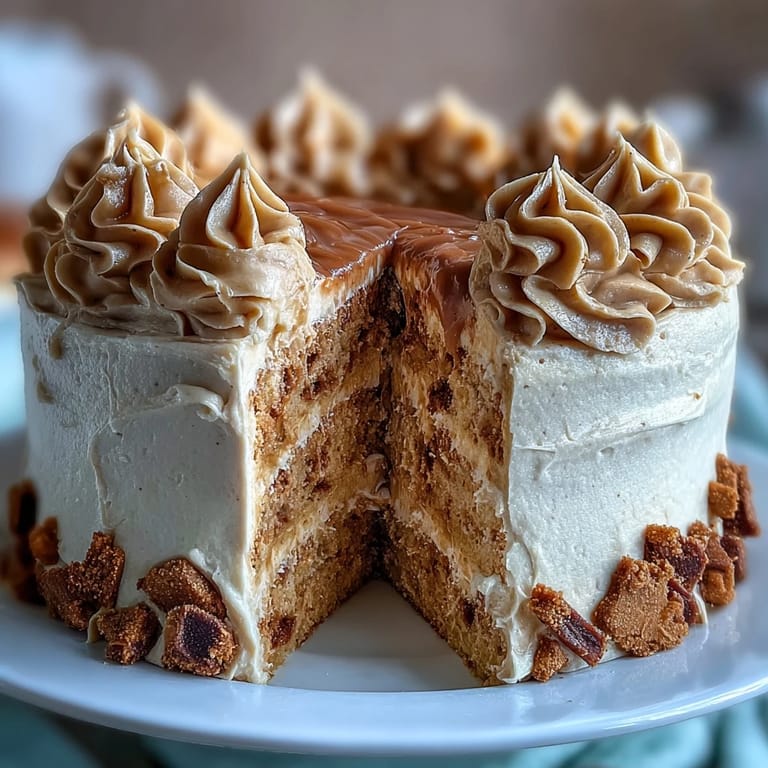
For birthdays or celebrations, I pipe the frosting with a star tip and arrange whole Biscoff biscuits around the edge like a crown. A drizzle of melted Lotus spread over the top creates glossy ribbons that look bakery professional but take just seconds. If you are feeling adventurous, serve slices with a scoop of vanilla ice cream or a dollop of whipped cream spiked with a spoonful of Lotus spread.
- Warm a slice in the microwave for ten seconds to make the Lotus pockets gooey again.
- Dust the top with a pinch of cinnamon or cardamom for a subtle spice lift.
- Pair it with salted caramel sauce if you want to push the indulgence over the edge.
 Save to Pinterest
 This cake has become my go to whenever I want to impress without stress, because it looks like you spent all day baking but really just asks for an hour and a bit of love. Every slice carries that perfect balance of crunch, cream, and caramel warmth that makes people smile before they even take a bite.
Recipe FAQs
- → What makes Biscoff cake unique?
The signature caramelized flavor comes from Lotus Biscoff spread, a European cookie butter with warm spiced notes. Swirling crushed biscuits through the batter creates pockets of crunch while the spread infuses the sponge with depth.
- → Can I make the frosting ahead?
Yes, prepare the Lotus frosting up to 2 days in advance. Store in an airtight container at room temperature and re-whip briefly before applying to the cooled cake layers.
- → How do I know when the cake is done?
Insert a toothpick into the center—it should emerge clean or with just a few moist crumbs. The edges will pull slightly from the pan sides, and the top will spring back when gently pressed.
- → What's the best way to crush Biscoff biscuits?
Place biscuits in a sealed zip-top bag and crush with a rolling pin for varied texture. For finer pieces, pulse briefly in a food processor. Some larger chunks add delightful crunch throughout.
- → Can I substitute Lotus spread?
Speculoos or speculaas spread offers similar spiced caramel flavor. Peanut butter or cookie butter work but will alter the distinctive European taste profile that makes this creation special.
- → Why is room temperature important?
Cold ingredients can cause batter to curdle or seize, affecting texture. Room temperature butter, eggs, and dairy emulsify properly, creating an even crumb and smooth frosting consistency.