 Save to Pinterest
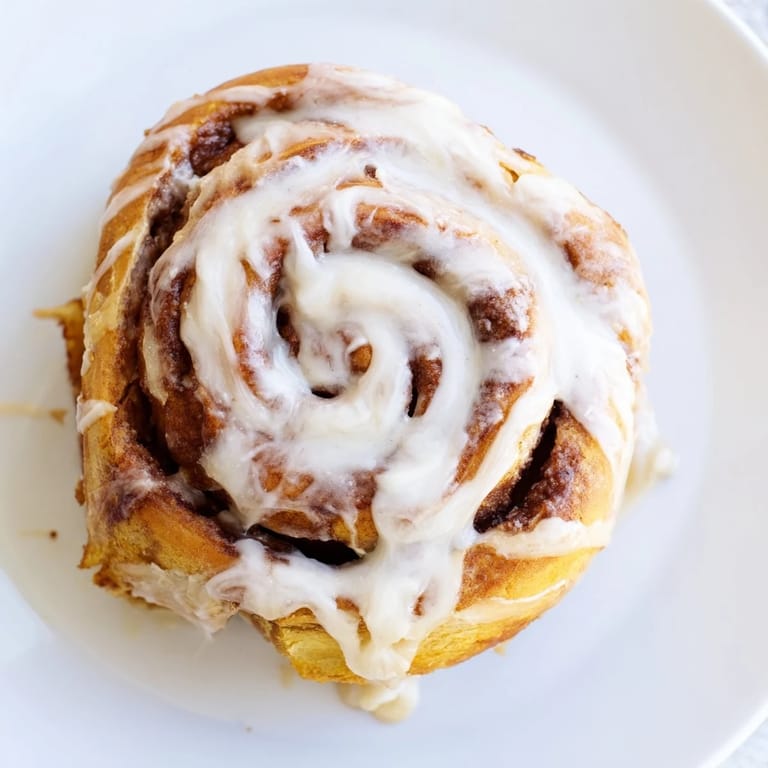
 The kitchen was a disaster, flour dusted across every surface, but nobody cared. My sister and I had woken up early on a Saturday with one mission: cinnamon rolls from scratch. We had no idea what we were doing, but the smell that filled the house two hours later made us feel like pastry chefs. Those rolls were lumpy, unevenly glazed, and absolutely perfect. Ever since, I've been chasing that same feeling, and this recipe delivers it every time.
I made these for my neighbors one Sunday morning after they helped me move furniture. I watched through the window as they pulled apart the rolls on their porch, steam rising, glaze dripping onto their fingers. One of them knocked on my door an hour later asking for the recipe. That's when I knew this wasn't just another cinnamon roll, it was the cinnamon roll.
Ingredients
- All purpose flour: The backbone of the dough, giving structure while staying tender, don't skip sifting if it's been sitting in the pantry a while.
- Active dry yeast: This is what makes the rolls rise into pillowy clouds, always check the expiration date or your dough won't budge.
- Warm milk: It activates the yeast and adds richness, too hot and you'll kill the yeast, too cold and nothing happens.
- Granulated sugar: Feeds the yeast and adds a hint of sweetness to the dough itself.
- Unsalted butter melted: Keeps the dough soft and adds that unmistakable buttery flavor throughout.
- Eggs: They bind everything together and give the rolls a beautiful golden color.
- Salt: Just enough to bring out the sweetness and balance the flavor.
- Light brown sugar: The filling's secret weapon, it melts into a gooey caramel layer with the cinnamon.
- Ground cinnamon: Bold, warm, and the star of the show, don't be shy with it.
- Unsalted butter very soft for filling: Spread this on the dough like you're frosting a cake, it helps the sugar stick and creates those gorgeous swirls.
- Cream cheese: The base of the glaze, adding tang and creaminess that cuts through the sweetness.
- Powdered sugar: Sweetens and thickens the glaze into that iconic drizzle.
- Vanilla extract: A little goes a long way, rounding out the glaze with warmth.
- Milk for glaze: Thins the glaze to the perfect pourable consistency, add it slowly until it feels right.
Tired of Takeout? 🥡
Get 10 meals you can make faster than delivery arrives. Seriously.
One email. No spam. Unsubscribe anytime.
Instructions
- Wake Up the Yeast:
- Dissolve the yeast in warm milk with a tablespoon of sugar and let it sit until it gets foamy and alive, about 5 to 7 minutes. If nothing happens, your yeast is dead, start over with fresh yeast.
- Build the Dough:
- Stir in the rest of the sugar, melted butter, eggs, and salt until everything is mixed together. Gradually add the flour, stirring until a soft, slightly sticky dough forms.
- Knead Until Smooth:
- Turn the dough onto a floured surface and knead it for 6 to 8 minutes until it's smooth, elastic, and springs back when you poke it. Place it in a greased bowl, cover with a towel, and let it rise in a warm spot until it doubles in size, about an hour.
- Roll It Out:
- Punch down the risen dough and roll it into a 16 by 12 inch rectangle on a lightly floured surface. Try to keep the edges as even as possible so the rolls bake uniformly.
- Spread the Magic:
- Spread the soft butter all over the dough, then sprinkle the brown sugar and cinnamon mixture evenly across the surface. Press it gently into the butter so it sticks.
- Roll and Slice:
- Starting from a long edge, roll the dough up tightly like a sleeping bag, pinch the seam to seal it, then cut into 12 equal rolls. Use a sharp knife or unflavored dental floss for clean cuts.
- Second Rise:
- Place the rolls in a greased 9 by 13 inch baking dish, cover them, and let them rise again until they're puffy and nearly doubled, about 35 to 45 minutes. They should be touching each other.
- Bake to Golden Perfection:
- Preheat your oven to 350 degrees Fahrenheit and bake the rolls for 22 to 25 minutes until the tops are golden brown and the edges are just starting to caramelize. Your kitchen will smell incredible.
- Make the Glaze:
- While the rolls bake, beat together the cream cheese, butter, powdered sugar, vanilla, and enough milk to make a smooth, spreadable glaze. Taste it, you'll want to eat it with a spoon.
- Glaze and Serve:
- Let the rolls cool for about 10 minutes, then spread the glaze generously over the warm rolls. Serve them while they're still warm and gooey.
 Save to Pinterest
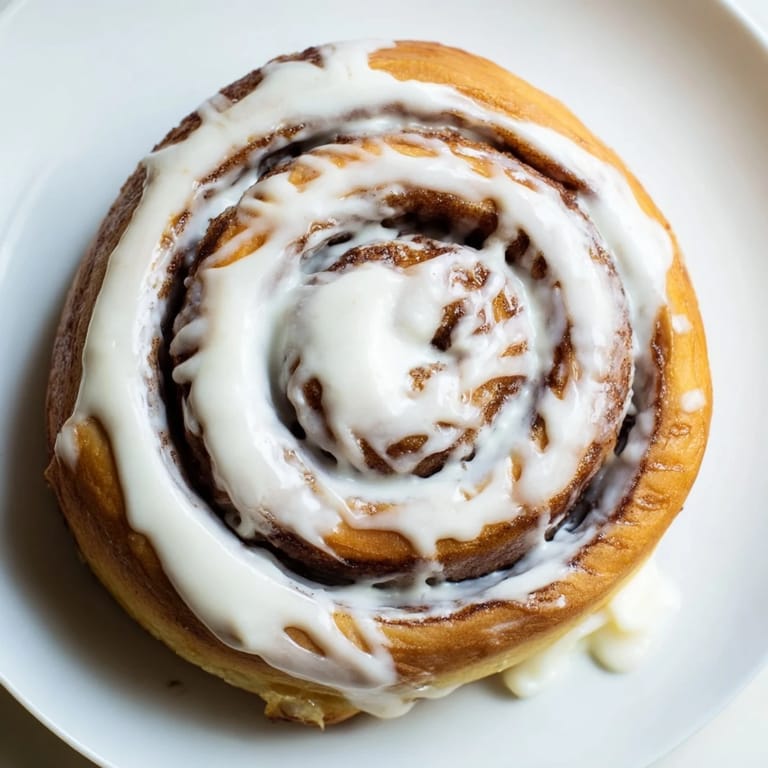
 I'll never forget the morning I brought a pan of these to a potluck brunch and watched them disappear in under ten minutes. People were pulling them apart with their hands, licking glaze off their fingers, and asking if I owned a bakery. One friend told me she dreamed about them that night. That's when I realized food isn't just about feeding people, it's about creating moments they remember.
Getting Ahead
You can absolutely make these the night before. After you've shaped the rolls and placed them in the baking dish, cover tightly with plastic wrap and refrigerate overnight. The next morning, pull them out, let them sit at room temperature for about an hour to finish rising, then bake as directed. It's a lifesaver when you want fresh cinnamon rolls without the early morning chaos.
Customizing Your Rolls
These rolls are a blank canvas for your favorite mix ins. I've folded in chopped pecans, scattered raisins, even drizzled caramel between the layers. One time I added orange zest to the filling and it tasted like a cinnamon roll met a creamsicle. Don't be afraid to experiment, the dough is forgiving and the results are almost always delicious.
Serving and Storing
These are best served warm, right out of the oven with the glaze still melting into the crevices. If you have leftovers (rare, but it happens), store them in an airtight container at room temperature for up to two days. Reheat individual rolls in the microwave for 15 to 20 seconds to bring back that just baked softness.
- Pair them with strong coffee or a chai latte for the ultimate breakfast experience.
- For an extra indulgent touch, drizzle a little extra glaze on top right before serving.
- If freezing, wrap cooled unglazed rolls individually and freeze up to a month, then thaw and glaze before serving.
 Save to Pinterest
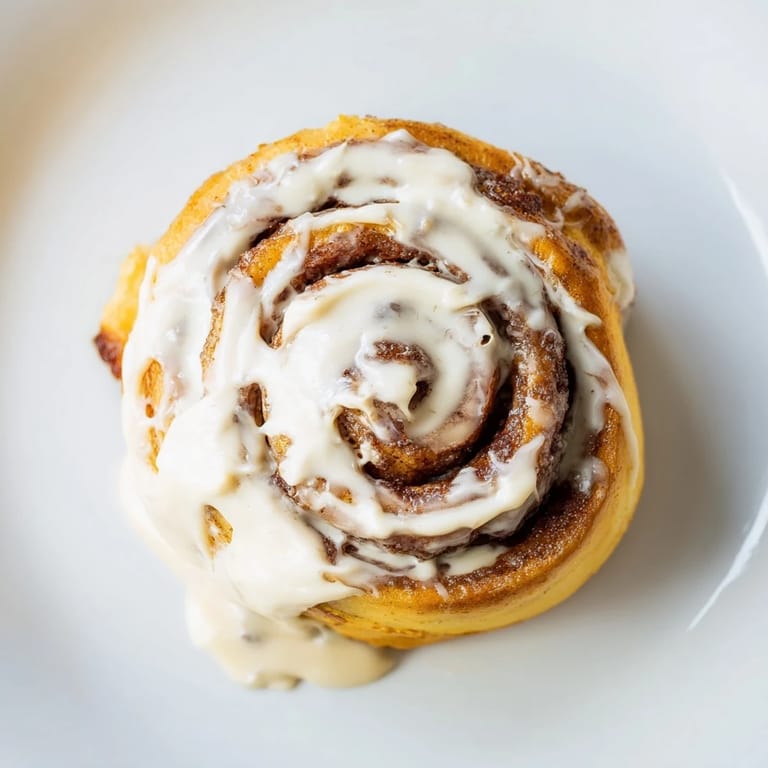
 There's something magical about pulling apart a warm cinnamon roll and watching the layers unravel, sticky and sweet and impossibly soft. I hope these become a weekend tradition in your home, just like they are in mine.
Recipe FAQs
- → How do I achieve extra soft cinnamon rolls?
Use bread flour instead of all-purpose flour for added protein and elasticity. Ensure proper kneading for 6-8 minutes to develop gluten structure. Don't skip the rising stages—allow dough to double in size. Apply the cream cheese glaze while rolls are still warm so it absorbs into the crumb.
- → Can I prepare cinnamon rolls ahead of time?
Yes. Shape the rolls and place them in the baking dish, then cover and refrigerate overnight. The next morning, let them come to room temperature for about 1 hour before baking. This slow rise actually enhances flavor development and makes morning baking more convenient.
- → What's the best way to slice cinnamon rolls?
Use a sharp serrated knife dipped in warm water and wiped between cuts for clean edges. Alternatively, unflavored dental floss works excellently—slide it under the roll, cross the ends over the top, and pull. This prevents squishing the dough and maintains the spiral shape.
- → How should I store leftover cinnamon rolls?
Place cooled rolls in an airtight container at room temperature for up to 2 days. For longer storage, wrap individually in plastic wrap and freeze for up to 3 months. Reheat in a 350°F oven for 10-12 minutes, covered with foil to prevent drying.
- → Can I customize the filling ingredients?
Absolutely. Add chopped pecans, walnuts, or raisins to the cinnamon-sugar mixture for texture and flavor variation. You can also reduce cinnamon slightly if you prefer milder spice, or add a pinch of nutmeg or cardamom for depth. Keep the brown sugar and butter ratio consistent for proper texture.
- → Why is my dough not rising properly?
Ensure yeast is active by checking the expiration date and using warm milk between 105-110°F. If too hot, it kills yeast; if too cold, fermentation stalls. Place dough in a warm, draft-free environment like an oven with the light on. Rising times vary by room temperature—allow extra time in cooler kitchens.