 Save to Pinterest
 The first time I smelled rupjmaize baking in a friend's Riga kitchen, I understood why this bread has survived centuries in Latvian homes. That dense, dark loaf emerging from the oven filled the entire apartment with an earthy, almost intoxicating aroma—part molasses, part caraway, part something ancient and grounding. I watched her pull it out with bare hands, tapping the bottom to confirm that hollow sound, and I knew I had to learn this bread. It's not flashy, but it's the kind of recipe that stays with you, the kind that tastes like belonging.
I made this for a potluck once, nervous that dense rye bread might seem old-fashioned beside the artisan sourdoughs everyone else brought. But by the end of the night, my loaf was gone—people kept coming back for slices to pair with the smoked salmon and sour cream someone had contributed. That's when I realized rupjmaize isn't trying to impress; it's there to do a job, and it does it perfectly.
Ingredients
- Dark rye flour (500 g): This is the backbone of the bread, giving it that deep color and slightly sour, mineral flavor that makes rupjmaize unmistakable—don't swap it for light rye or you'll lose the character entirely.
- Bread flour (100 g): Just enough to give the dough some structure and help it rise, but the rye is always the star.
- Active dry yeast (1 packet, 7 g): The long, cool fermentation means you don't need much yeast; it works slowly and develops flavor as it goes.
- Warm water (350 ml): Temperature matters here—too hot and you'll kill the yeast, too cold and it won't activate; 40°C is the sweet spot.
- Molasses or dark honey (2 tbsp): This adds depth and a subtle sweetness that rounds out the earthy rye; it also helps with browning.
- Salt (2 tsp): Don't skimp—salt is essential for flavor and helps control fermentation.
- Caraway seeds (2 tsp): Toasting them first (if you have time) brings out a nuttier warmth, but raw works fine too.
- Vegetable oil (1 tbsp plus extra for greasing): Keeps the dough supple and the crust tender; I use neutral oil so it doesn't compete with the bread's flavors.
Tired of Takeout? 🥡
Get 10 meals you can make faster than delivery arrives. Seriously.
One email. No spam. Unsubscribe anytime.
Instructions
- Wake the yeast:
- Warm water, molasses, and yeast together in a bowl, then wait about 10 minutes until it's foamy on top—you're looking for that alive, bubbly surface that tells you the yeast is ready to work.
- Build the dough:
- Add the rye flour, bread flour, salt, and caraway seeds to the mixture and stir until everything comes together into a shaggy, sticky mass. Don't worry if it looks rough; rye dough is naturally sticky and wants to stay that way.
- Knead in the oil:
- Drizzle in the oil and knead by hand or with a dough hook for about 5–7 minutes until the dough becomes smooth and elastic, though still with that distinctive stick-to-your-fingers quality. Your hands (or the hook) should move through the dough with confidence, but it won't become as silky as wheat dough.
- First rise:
- Oil a large bowl, place the dough inside, cover it with plastic wrap or a damp towel, and let it sit at room temperature for 12–16 hours overnight. This is where the magic happens—the long, slow fermentation builds flavor and creates that complex, slightly sour taste that makes rupjmaize special.
- Shape and second rise:
- Gently punch down the dough, turn it onto a lightly floured surface, and shape it into a round or oval loaf. Place it on parchment paper or in an oiled loaf pan, cover it, and let it rise again for 45–60 minutes until noticeably puffy.
- Prepare to bake:
- About 15 minutes before baking, preheat the oven to 220°C (425°F). Dust the top of your loaf generously with rye flour for that authentic rustic look, and if you like, score it with a sharp knife.
- Bake until deep brown:
- Place the loaf in the center of the hot oven and bake for 45–50 minutes, watching for a deeply browned crust. The loaf should sound hollow when you tap the bottom—that's how you know the inside is properly baked through.
- Cool completely:
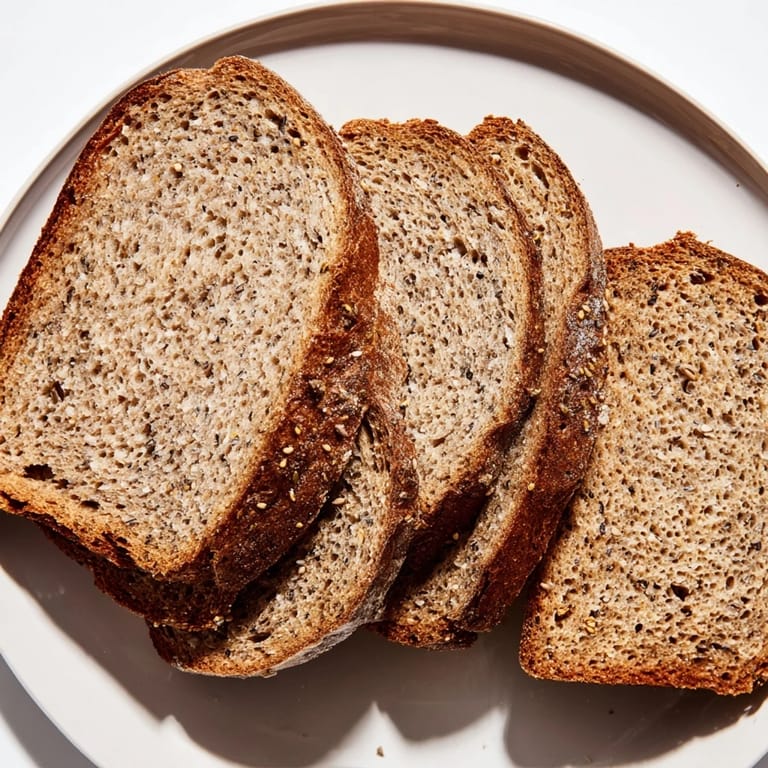
- Remove the loaf from the oven and let it cool on a wire rack for at least an hour before slicing. I know it's tempting, but this resting time lets the crumb set properly so you get clean slices instead of a gummy mess.
 Save to Pinterest
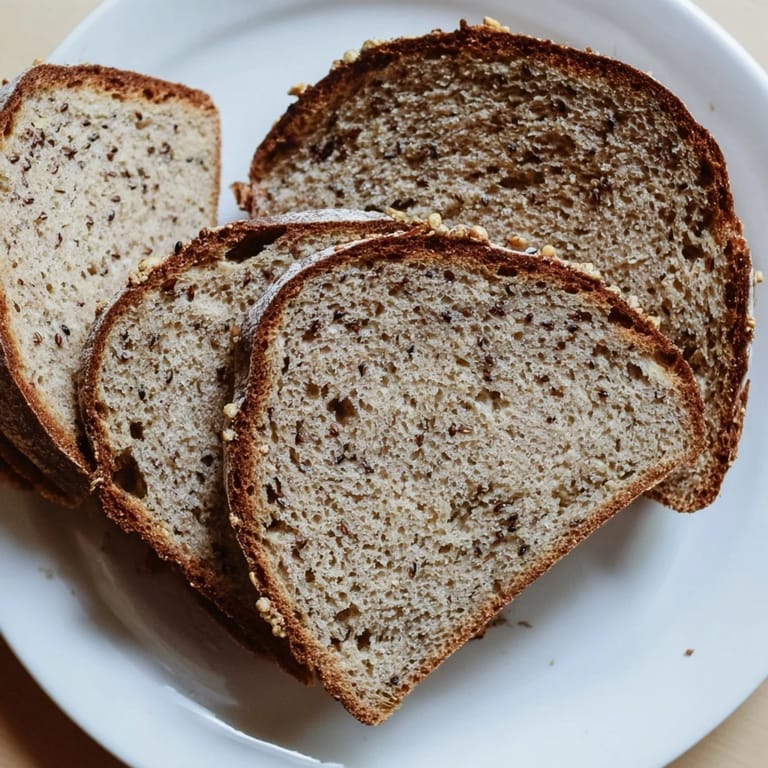
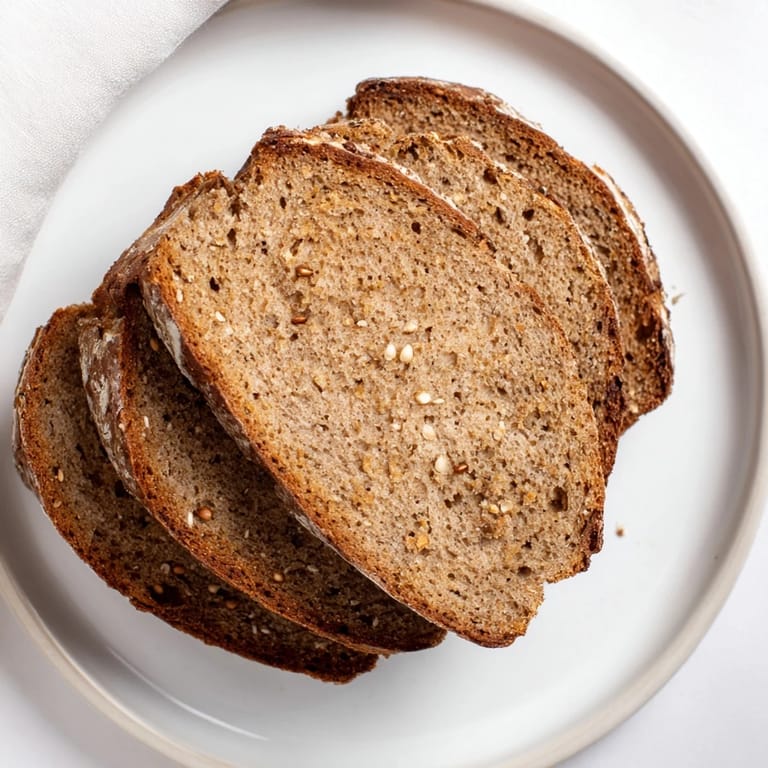
 There's a moment after you pull rupjmaize from the oven when the whole kitchen smells like a Baltic grandmother's kitchen, and you realize you've just made something that matters. This bread doesn't need fancy toppings or Instagram styling—it's meant to be sliced thick, toasted, and shared simply, the way it has been for generations.
The Caraway Question
I used to skip the caraway seeds until someone told me they're not just flavor—they're tradition, a way of saying this bread belongs to Latvia. Toasting them first brings out a warm, almost peppery note that transforms the whole loaf, but raw seeds work too if you're in a hurry; they'll soften during baking and release their flavor gradually. Some people add a teaspoon more for a bolder taste, and that's perfectly valid.
Serving and Storage
Rupjmaize is at its best when paired with something simple and good—salted butter, smoked fish, a spoonful of thick sour cream. It's equally at home alongside hearty stews or soups, soaking up the broth and turning those last spoonfuls into something precious. The bread keeps wrapped on the counter for three or four days, but honestly, by that time you'll have discovered that toasting yesterday's slices brings the whole thing back to life.
Making It Your Own
The foundation of rupjmaize is reliable enough that you can gently experiment without breaking it. Some bakers add a touch more molasses for sweetness, others swear by adding a tablespoon of cocoa powder for depth (it sounds strange, but it works). If you want to freeze slices for later, do it before they've staled—they'll toast back to almost fresh status in your toaster or oven.
- Slice the bread before freezing so you can pull out just what you need without thawing the whole loaf.
- Reheat frozen or day-old slices in a toaster or oven to restore crispness and bring back that fresh-baked aroma.
- If you find yourself with bread that's gone hard, don't toss it—cube it for bread salad, toast it for crumbs, or soak it in soup.
 Save to Pinterest
 Making rupjmaize is about understanding that some of the best things take time and patience, and that's exactly what makes them worth doing. Slice it warm or cold, with butter or without, and you'll taste why this bread has fed Latvian families for centuries.
Recipe FAQs
- → What gives Latvian Rupjmaize its distinctive flavor?
The deep flavor comes from a combination of dark rye flour, molasses or honey, and caraway seeds, which add aromatic warmth.
- → How long should the dough rise for best results?
The dough requires a slow rise of 12–16 hours at room temperature to develop a moist, flavorful crumb and structure.
- → Can the caraway seeds be toasted before use?
Yes, lightly toasting caraway seeds before adding them enhances their nuttiness and intensifies their aroma.
- → What is the ideal way to bake this loaf?
Bake at 220°C (425°F) for 45–50 minutes until deeply browned and hollow-sounding when tapped underneath.
- → How should the bread be stored or preserved?
The loaf freezes well when sliced beforehand, allowing for easy toasting and preserving freshness over time.
- → What are common serving suggestions?
This bread pairs excellently with butter, smoked fish, or hearty stews, complementing savory dishes with its robust flavor.