 Save to Pinterest
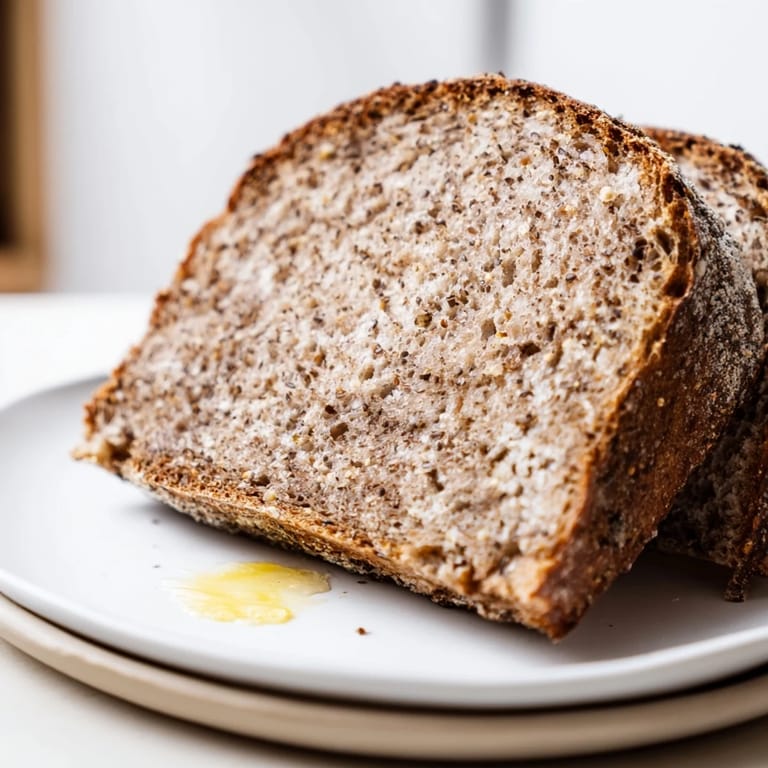
 Years ago, a friend brought back a loaf of Estonian leib from a trip to Tallinn, and I couldn't stop thinking about it for weeks after—that dense, dark crumb with its whisper of caraway, the way it held up to anything you piled on top of it. When I finally decided to bake my own, I realized this wasn't a bread you rush; it's one that unfolds slowly, asking for patience and trust in a sourdough starter that's been patiently waiting for its moment. The house filled with this warm, slightly molasses-sweet aroma that made everyone pause mid-conversation. Now it's become one of those breads I make when I want to feel grounded, like I'm connected to something older than my kitchen.
I served this bread at a small dinner party last winter, sliced thick and laid out next to some smoked mackerel and crumbly cheese, and watching people's faces light up when they tasted it was the whole point. One guest asked for the recipe three times—not because she needed it written down, but because she kept coming back for another slice and wanted to know what made it taste so anchored, so real. That's when I knew this wasn't just a recipe to me anymore; it was a way of saying something without words.
Ingredients
- Active rye sourdough starter (100 g): This is your anchor—keep it fed and alive, and it'll repay you with flavor that commercial yeast can't touch.
- Dark rye flour (400 g): The star of the show; it's dense, slightly sweet, and gives the bread its characteristic color and earthiness.
- Bread flour (100 g): Just enough wheat to give the dough structure without overpowering the rye's voice.
- Lukewarm water (300 ml): Temperature matters—too hot and you'll stun the starter, too cold and fermentation crawls.
- Dark rye malt (50 g): If you can't find it, barley malt powder works beautifully and adds that subtle depth.
- Molasses or dark honey (2 tbsp): This isn't just sweetness; it's the bridge between the bread's earthiness and its warmth.
- Caraway seeds (1 tbsp, plus optional 1 tsp for topping): Toast them if you're feeling adventurous—it amplifies their almost-citrusy edge.
- Fine sea salt (2 tsp): Use fine salt so it dissolves evenly and doesn't create bitter pockets.
Tired of Takeout? 🥡
Get 10 meals you can make faster than delivery arrives. Seriously.
One email. No spam. Unsubscribe anytime.
Instructions
- Wake up your starter:
- Pour the active sourdough starter into a large bowl with the lukewarm water and molasses, stirring until everything is dissolved and frothy. You're not just mixing here; you're waking up a living culture, so stir with intention and watch it come alive.
- Build the dough:
- Add the rye flour, bread flour, malt powder, caraway seeds, and salt all at once, then mix with a wooden spoon until you have a thick, shaggy dough—it'll be stickier than wheat bread dough, and that's exactly right. The dough should come together but still feel slightly tacky; you're not aiming for silky smoothness.
- First rise (the long sleep):
- Cover the bowl with a damp cloth and let it sit at room temperature for 10 to 12 hours, or overnight, until it's visibly risen and the surface is scattered with bubbles. This is where the flavor develops—don't rush it, even if you're impatient.
- Shape and pan-rise:
- Line a loaf pan with parchment paper or lightly grease it, then scrape the dough into the pan and smooth the top with a wet spatula. Sprinkle caraway seeds on top if you want that extra whisper of flavor, then cover and let it rise for 2 to 4 hours until it reaches just below the rim of the pan.
- Prepare for baking:
- About 30 minutes before baking, preheat your oven to 220°C (430°F) and place a pan of hot water on the bottom rack. Steam is what gives this bread its deep, glossy crust.
- The bake:
- Bake at 220°C for 15 minutes, then lower the temperature to 190°C (375°F) and bake for another 30 minutes until the crust is nearly black and the loaf sounds hollow when you tap the bottom. Dark crust means caramelized flavor; don't shy away from it.
- Cool completely:
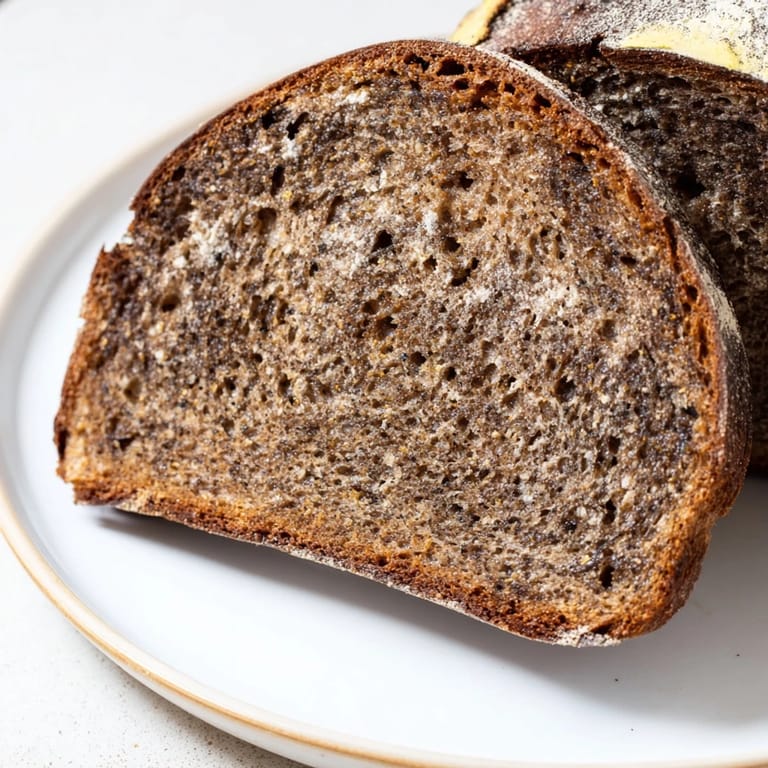
- Remove from the oven and cool on a wire rack before slicing—this is the hardest step because the aroma will tempt you, but the crumb needs time to set properly. Slice into it too soon and it'll be gummy; wait, and you'll have perfection.
 Save to Pinterest
 There's a moment, usually around day three, when you slice this bread and realize it's become something more than what you put in the oven—it's developed layers you didn't plan for, a complexity that tastes like it came from somewhere old and wise. Spreading butter on a still-warm slice, watching it melt into the dark crumb, you understand why people have been making bread like this for generations.
Why Caraway Isn't Optional
Caraway seeds are the backbone of Estonian bread culture—without them, you have a good rye loaf, but with them, you have something unmistakably Baltic. The first time I made this without caraway (thinking I could skip them), the bread tasted blank, almost sad, like it was missing its personality. Toasting the seeds before adding them takes five minutes and transforms the entire experience; the flavor becomes warmer, more rounded, almost citrusy. Now I always toast mine in a dry pan until fragrant, which is maybe 2 minutes, and I add them while still warm so they release their oils into the dough.
The Malt Makes the Magic
Malt is what separates an ordinary rye bread from one that tastes like it traveled through time to reach your table. It adds a subtle sweetness that balances the rye's earthiness and creates this deep, almost molasses-like undertone that has people asking what your secret ingredient is. If you can't find dark rye malt at first, barley malt powder is a true stand-in and works beautifully, though the flavor leans slightly different—still excellent, just with its own character. I've learned to order malt online now because once you taste it, you'll understand why it's worth seeking out.
Storing and Serving
This bread keeps wrapped in a clean towel for nearly a week without going stale—in fact, it improves for the first three days. Slice it thick and pair it with smoked fish, aged cheese, or simply good butter and sea salt; it's humble enough to step back and let other flavors shine, but interesting enough to stand on its own. Cold slices toast beautifully and become something almost crispy-crunchy on the outside while staying soft within, which makes day-old bread feel like a gift you're giving your future self.
- Wrap cooled bread in a clean linen cloth rather than plastic, which traps steam and softens the crust.
- If it begins to harden toward the end of the week, slice it and toast it—you haven't failed, you've just found a new way to enjoy it.
- Freeze slices individually if you want to extend its life beyond a week; they thaw quickly and toast beautifully.
 Save to Pinterest
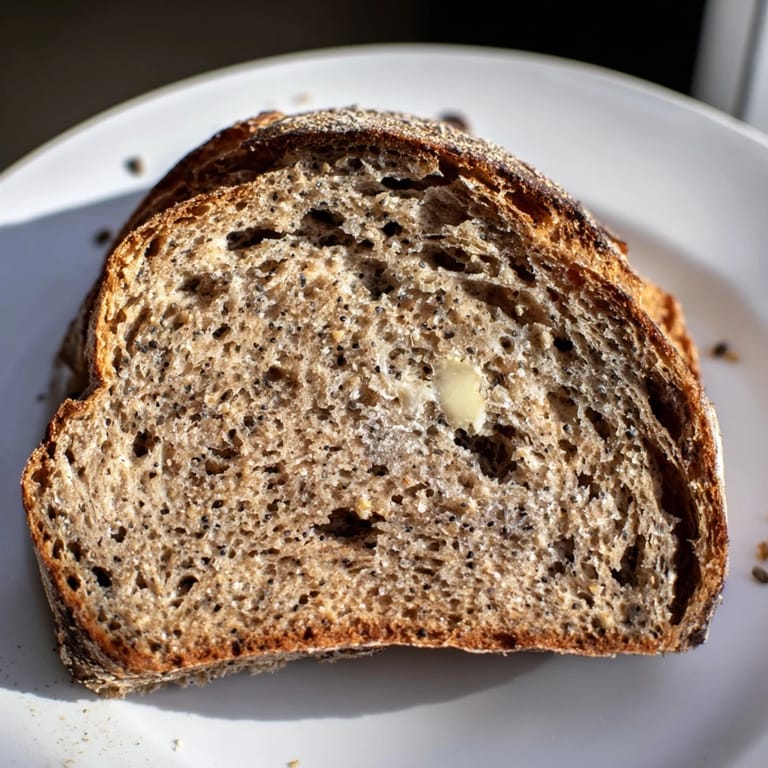
 Making this bread is an act of patience, but it rewards you with something that tastes like it belongs on a kitchen table across the Baltic, shared with people who understand that good food takes time. Once you've made it, you'll find yourself reaching for the recipe again and again.