 Save to Pinterest
 The first time I made a crookie, I wasn't entirely sure what I was attempting. A colleague had raved about them between sips of espresso, describing this impossible marriage of croissant and cookie, and I became obsessed with the idea. Standing in my kitchen with laminated dough in one hand and chocolate chip cookie dough in the other, I remember thinking: this is either genius or absolute chaos. It turned out to be both.
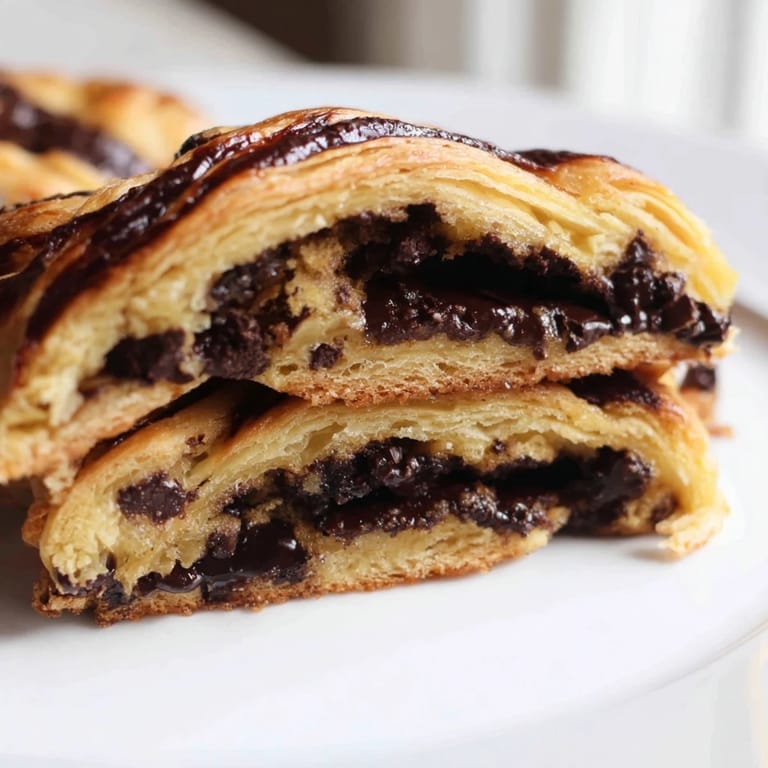
I made these for a small group on a Sunday morning, and watching people's faces when they broke through that golden exterior was worth every fold and chill. One friend said it tasted like someone had finally answered a question nobody dared ask. That moment solidified it for me—crookies weren't just a recipe, they were a small act of culinary rebellion.
Ingredients
- All-purpose flour (250g for dough, 120g for cookies): Use the same brand throughout if possible, as different flours have different protein contents and will affect how your lamination behaves.
- Instant yeast (7g): This gives structure to the laminated dough without needing a long fermentation, which keeps the butter from leaking out.
- Unsalted butter (150g cold for lamination, 25g melted for dough, 70g softened for cookies): The temperature matters tremendously—cold butter stays in distinct layers, while softened butter creams smoothly into the cookie mixture.
- Granulated sugar (30g for dough, 40g for cookies) and brown sugar (60g): The combination of sugars in the cookie layer gives you that chew and deep flavor that browns beautifully.
- Whole milk (120ml), lukewarm: Too hot and it kills the yeast; too cold and it won't activate the dough properly.
- Egg (1 whole for dough, 1 yolk for cookies): The yolk in the cookie dough adds richness without making it too wet.
- Vanilla extract (1 tsp): A small amount transforms the cookie layer from flat to fragrant.
- Baking soda (1/2 tsp) and salt (1/4 tsp for cookies, separate 1/4 tsp for dough): Baking soda reacts with the acidic brown sugar to give lift and spread, while salt balances the sweetness.
- Dark chocolate chips (100g): Quality matters here since they're a star player—choose chips that taste good on their own.
Tired of Takeout? 🥡
Get 10 meals you can make faster than delivery arrives. Seriously.
One email. No spam. Unsubscribe anytime.
Instructions
- Mix and Knead the Base:
- Combine your dry ingredients in a bowl, then add the warm milk, melted butter, and egg. Mix until you have a rough, shaggy dough, then knead for about five minutes until it becomes smooth and slightly elastic. The dough should be soft but not sticky—if it's clinging to everything, dust with a little more flour.
- First Chill:
- Pat your dough into a rough rectangle shape, cover it with plastic wrap, and refrigerate for 30 minutes. This stops the yeast from overproofing and makes the dough easier to work with.
- Prepare Your Butter Sheet:
- While the dough chills, place your cold butter between two pieces of parchment paper and roll it into a 15x15 cm square. Keep it cold and return it to the fridge until you're ready to laminate.
- Laminate: First Fold:
- Roll your chilled dough into a 30x15 cm rectangle. Place your butter sheet in the center, then fold the dough flaps over it from both sides so the butter is completely encased and sealed. You should now have a neat rectangle with butter hidden inside.
- Laminate: The Rolling and Folding Dance:
- Roll this butter-filled dough out to 45x20 cm, then fold it into thirds like a letter (bottom third up, top third down). Chill for 30 minutes, then repeat this roll-and-fold process two more times, chilling between each turn. This creates the dozens of thin, distinct butter layers that make a croissant sing.
- Final Rest:
- After your third fold, chill the laminated dough for a full hour. This is important—it gives the gluten time to relax and the butter a chance to solidify before assembly.
- Make the Cookie Dough:
- While waiting, beat softened butter with both sugars until light and fluffy, about two minutes. Add the egg yolk and vanilla, mixing until smooth. Sift in your flour, baking soda, and salt, then fold in the chocolate chips gently. Cover and chill this mixture alongside your laminated dough.
- Assemble Your Crookies:
- Roll the laminated dough to about 30x25 cm and roughly 6 mm thick. Spread or dollop your chilled cookie dough evenly across the surface, leaving a 1 cm border all around—this prevents the filling from escaping when you roll. Roll up tightly from the long side, then use a sharp, slightly wet knife to slice into eight equal pieces.
- Proof and Proof Patiently:
- Place your crookie rounds on a parchment-lined baking sheet, cover loosely with plastic wrap or a kitchen towel, and let them sit at room temperature for about an hour. You'll see them puff slightly as the yeast wakes up and the laminated dough begins its final rise.
- Bake Until Golden:
- Heat your oven to 190°C (375°F). Bake your crookies for 18 to 20 minutes, until the exterior is deep golden brown and you can see a tiny hint of caramelized filling peeking at the edges. The interiors should feel set but still tender.
- Cool and Admire:
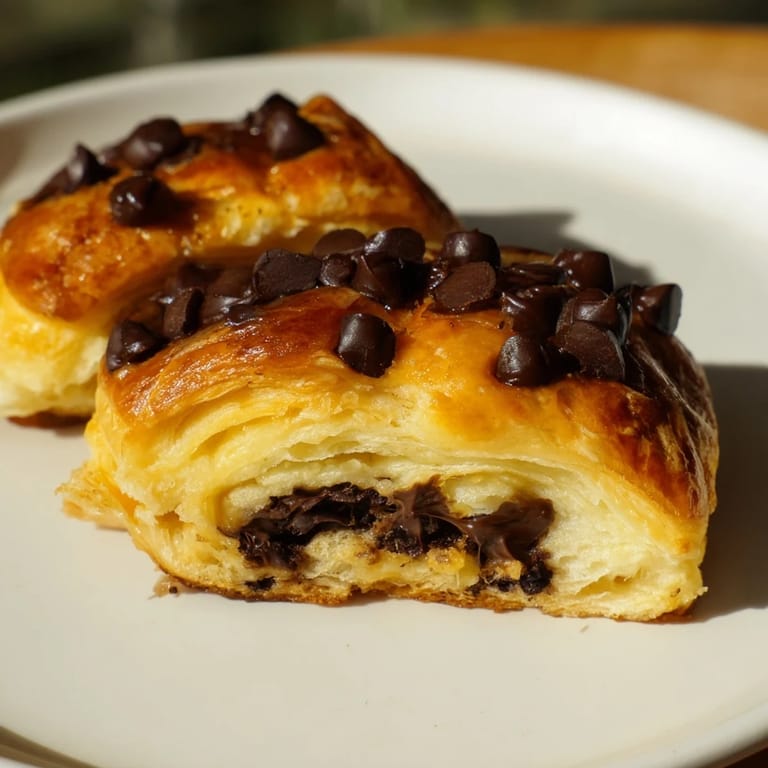
- Transfer to a wire rack and resist the urge to bite into one for at least five minutes—the filling is lava inside. Once cooled slightly, they're ready to eat, and the contrast between the crispy exterior and the molten cookie interior is exactly where the magic happens.
 Save to Pinterest
 A friend bit into one of my crookies and immediately said, 'This shouldn't exist, but I'm so glad it does.' That's the moment I knew this recipe belonged in regular rotation, not just as an occasional experiment. It's the kind of thing that makes people pause mid-conversation and just enjoy eating again.
The Lamination Logic
The magic of this recipe lives in lamination—the process of folding butter and dough together repeatedly to create thin, distinct layers. When you bake it, the water in the butter turns to steam and pushes those layers apart, creating the shattered, crispy texture that feels luxurious. I learned this the hard way by skipping a fold one afternoon, and the result was more cookie than croissant. Now I treat those folds with reverence, and every time I hear that crack when someone bites into one, I feel a small victory.
Why Cold Matters
Every chill in this recipe is non-negotiable. Cold dough is easier to handle and less sticky; cold butter stays in distinct layers instead of smearing into the dough; and a cold crookie dough ensures the chocolate doesn't melt before the oven even turns on. The first few times I made these, I tried to rush the chilling steps, and the results were sloppy and disappointing. Now I lean into the waiting, using it as an excuse to drink coffee or prep the next batch.
Variations and Personal Touches
Once you master the basic crookie, it becomes a canvas for experimentation. I've added chopped pistachios and white chocolate, made a version with salted caramel swirls, and even tried matcha in the cookie dough with just a whisper of white chocolate. The laminated dough is sturdy enough to hold whatever personality you want to give it.
- Try different chocolate types—milk chocolate is sweeter and creamier, while dark chocolate brings sophistication and slight bitterness that balances the buttery layers.
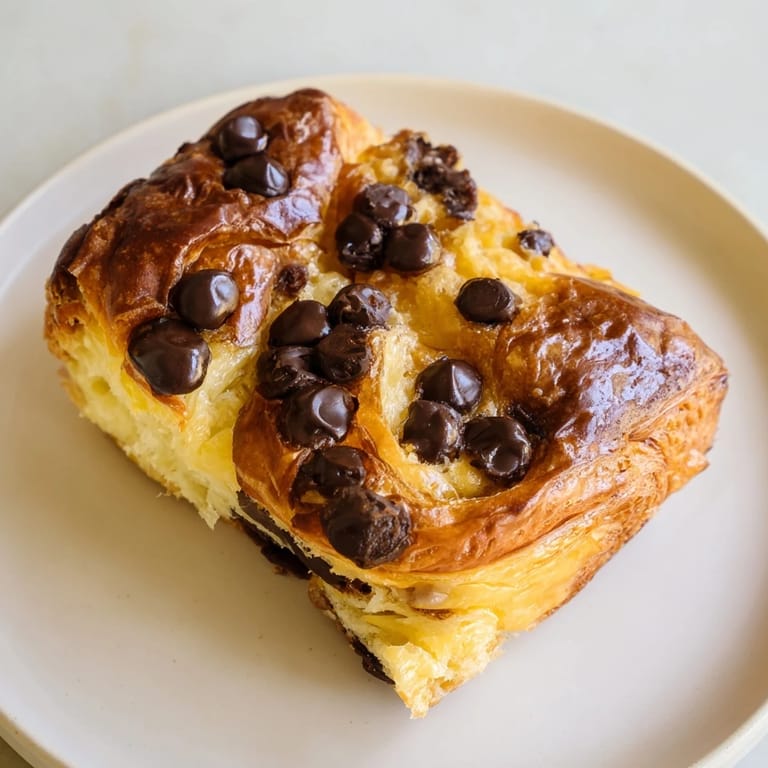
- Brush the tops with egg wash before baking for a glossy, professional-looking sheen that catches the light beautifully.
- These taste best fresh, but you can gently reheat them in a 160°C (320°F) oven for five minutes to revive any staleness.
 Save to Pinterest
 Crookies are proof that the best creations sometimes come from asking 'what if?' and having the patience to find out. They're worth every fold, every chill, and every moment of anticipation.
Recipe FAQs
- → What dough is used for the flaky layers?
The flaky texture comes from laminated dough made by folding cold butter into all-purpose flour dough repeatedly, creating multiple layers.
- → How does the chocolate chip layer integrate?
The chocolate chip dough is spread over the rolled laminated dough before rolling it up, adding a rich, sweet contrast inside.
- → What is the chilling importance in preparation?
Chilling allows the butter layers to firm and the dough to rest, resulting in better lamination and a flakier final texture.
- → Can variations be made to flavors?
Yes, adding chopped nuts or swapping chocolate chip types alters texture and flavor, while an egg wash can enhance browning and shine.
- → What are the ideal baking conditions?
Bake at 190°C (375°F) for 18–20 minutes until golden and cooked through, then cool on a wire rack before serving.