 Save to Pinterest
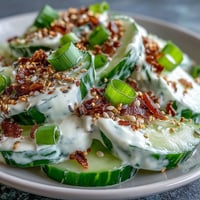
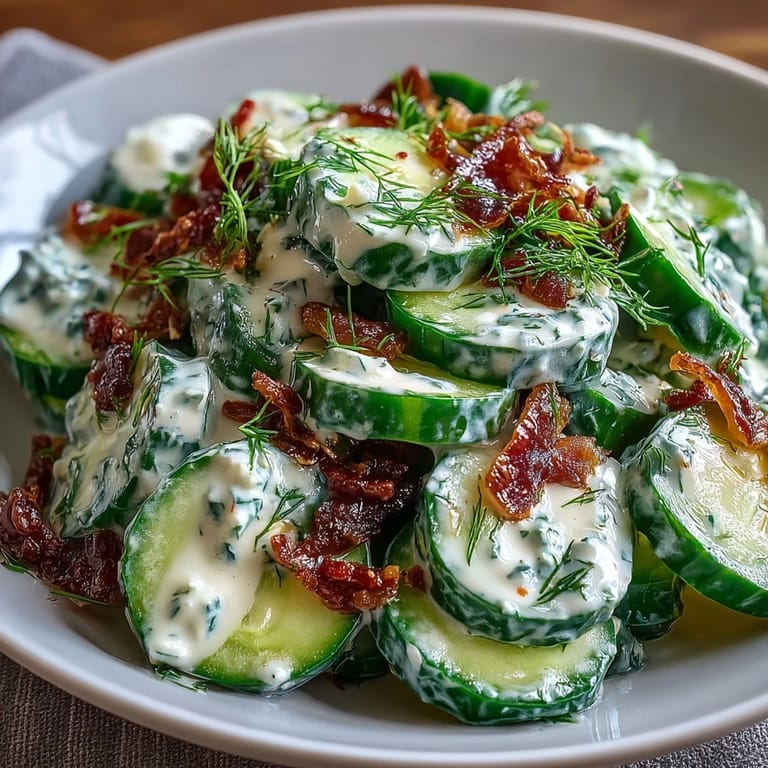
 My neighbor handed me a bowl of this salad on a sweltering afternoon, and I ate it standing in her kitchen without thinking twice. The cool, tangy dressing hit differently than the heavy mayo-based slaws I'd grown up with, and suddenly I understood why she made it every single week. When I finally asked for her method, she laughed and said it was just yogurt, cucumbers, and whatever herbs hadn't wilted in the heat. That conversation changed how I approach summer cooking entirely.
I brought this to a potluck where everyone else had brought hot casseroles, and it became the first thing to disappear. People went back for seconds when nothing else was even half empty, which taught me something valuable about trusting simple, quality ingredients over complexity.
Ingredients
- English cucumbers (2 large, thinly sliced): Their thin skin and smaller seeds mean you don't have to peel them, and they stay crisp longer than regular varieties.
- Red onion (1 small, thinly sliced): The sharpness softens as it sits with the salt, adding color and a gentle bite that balances the creaminess.
- Greek yogurt (1 cup): Use whole milk if you want richness; low-fat still works beautifully and keeps things lighter—the tanginess is what matters here.
- Fresh dill (3 tablespoons, chopped): This herb was made for cucumbers; dried dill tastes like cardboard by comparison, so don't substitute.
- Olive oil (1 tablespoon): A good quality oil rounds out the dressing and adds subtle depth without overwhelming the fresh flavors.
- White wine vinegar or lemon juice (1 tablespoon): Either works, though vinegar gives a cleaner finish while lemon adds brightness.
- Sugar (1 teaspoon, optional): Just a whisper to balance the salt and acid; skip it if your yogurt is already tangy enough for your taste.
- Salt and black pepper: Start conservative—you can always add more after tasting.
Tired of Takeout? 🥡
Get 10 meals you can make faster than delivery arrives. Seriously.
One email. No spam. Unsubscribe anytime.
Instructions
- Salt and rest the cucumbers:
- Slice your cucumbers and onion, toss them in a colander with a pinch of salt, and let time do the work for ten minutes. This draws out extra moisture so your final salad stays crisp instead of turning watery—a trick that genuinely matters.
- Pat everything dry:
- Use paper towels to gently remove the moisture that's pooled in the colander. Don't wring them out like you're angry; just a gentle touch so the dressing clings instead of sliding off.
- Build the dressing:
- In a large bowl, whisk your yogurt with oil, vinegar or lemon juice, and dill until it looks smooth and creamy. The whisking incorporates air and distributes the flavors evenly, making the dressing taste brighter.
- Toss and taste:
- Add your cucumbers and onion to the dressing, tossing gently so everything gets coated without bruising the delicate vegetables. Taste now and adjust salt or acid to match your preference—this is your moment to make it yours.
- Chill before serving:
- Let it sit in the fridge for at least fifteen minutes so the flavors meld and the cucumbers chill completely. Those minutes matter; cold salad tastes better and feels more refreshing.
 Save to Pinterest
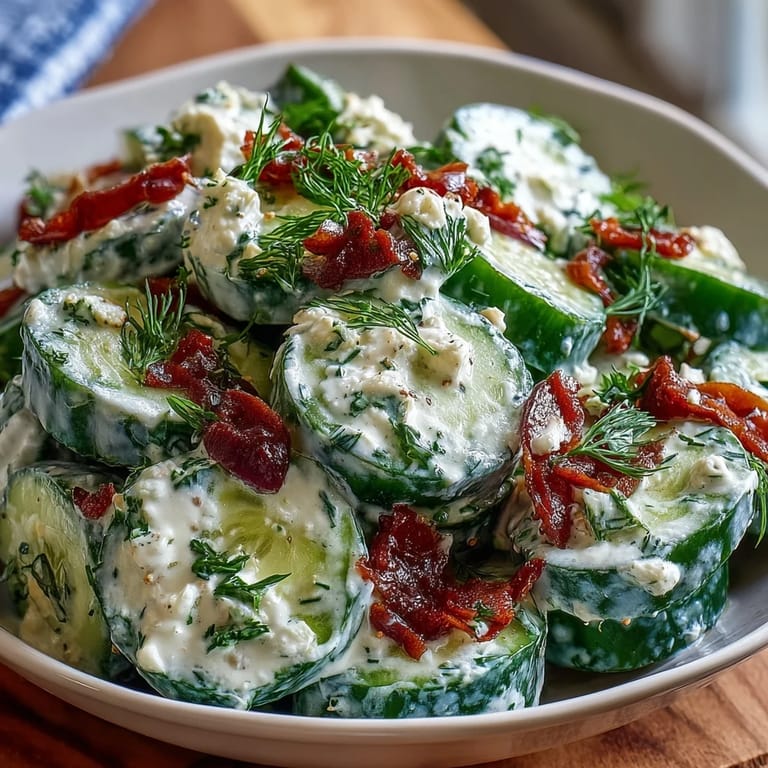
 My daughter, who usually pushes vegetables to the side of her plate, asked for thirds of this salad one evening. Watching her discover that healthy food could actually taste like something she wanted to eat was quietly one of my favorite kitchen moments.
Why Fresh Herbs Matter Here
The dill is the soul of this dish, and there's no pretending dried will do. Fresh dill has an almost grassy brightness that brings the whole salad to life, while dried tastes musty and one-dimensional. If you can't find fresh dill, swap in fresh tarragon or parsley, but find something green and alive—your taste buds will thank you.
Variations Worth Trying
I've learned through happy accidents that this salad welcomes experimentation. One evening I added thinly sliced radishes when cucumbers felt boring, and suddenly it had crunch in three different textures. Another time, I stirred in a few tablespoons of sour cream instead of using only yogurt, and it became richer and almost luxurious.
Making It a Meal
On its own, this is a perfect light lunch, especially with some good bread and soft cheese alongside. But I've also learned it's the ideal companion to grilled fish, roasted chicken, or even lamb—the cool creaminess cuts through richness and refreshes your palate between bites. Think of it as the salad that works harder than any other in your rotation.
- Serve it alongside grilled salmon or trout for a Mediterranean-inspired dinner.
- Pair it with lamb kebabs and flatbread for something that feels both simple and special.
- On a hot day, make it your entire lunch with crusty bread and feta cheese crumbles scattered on top.
 Save to Pinterest
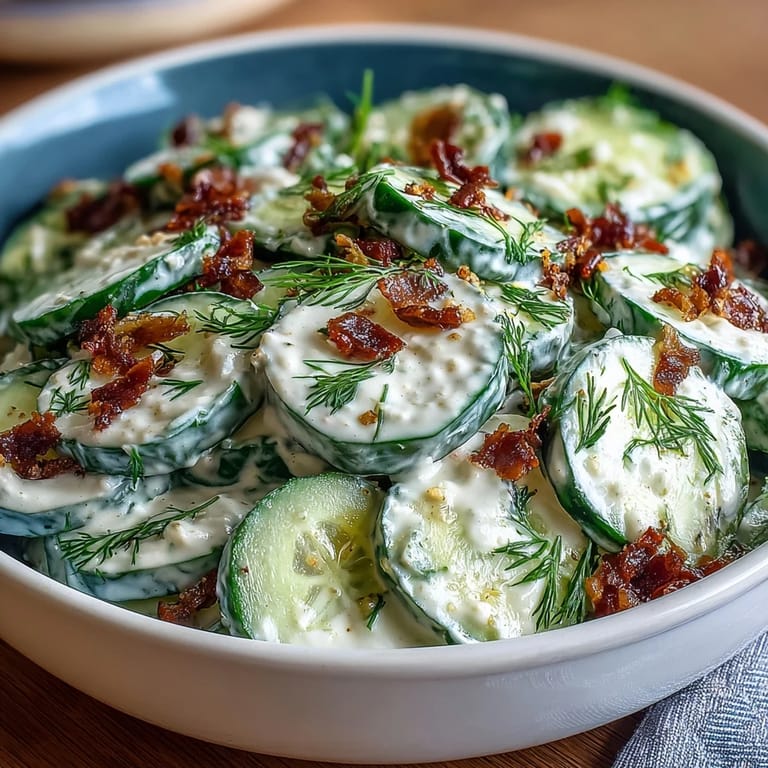
 This salad taught me that sometimes the best dishes are the ones that don't ask for much but give everything. Keep it in your regular rotation and watch it become the thing people remember from your table.
Recipe FAQs
- → What type of cucumbers work best?
English cucumbers are preferred for their thin skin and crisp texture, enhancing the salad's freshness.
- → Can I substitute Greek yogurt?
Sour cream can partially replace Greek yogurt for a richer, tangier dressing without losing creaminess.
- → How long should the salad chill?
Chilling for at least 15 minutes improves flavor melding and texture, but up to a few hours is ideal.
- → Is this salad suitable for gluten-free diets?
Yes, all ingredients are naturally gluten-free, making it suitable for gluten-free meal plans.
- → Can other herbs be used instead of dill?
Fresh dill is key for the signature flavor, but fresh parsley or mint can offer a different, pleasant twist.
- → What is the best way to slice cucumbers for this dish?
Thinly slicing cucumbers ensures they absorb the dressing well and maintain a crisp bite.