 Save to Pinterest
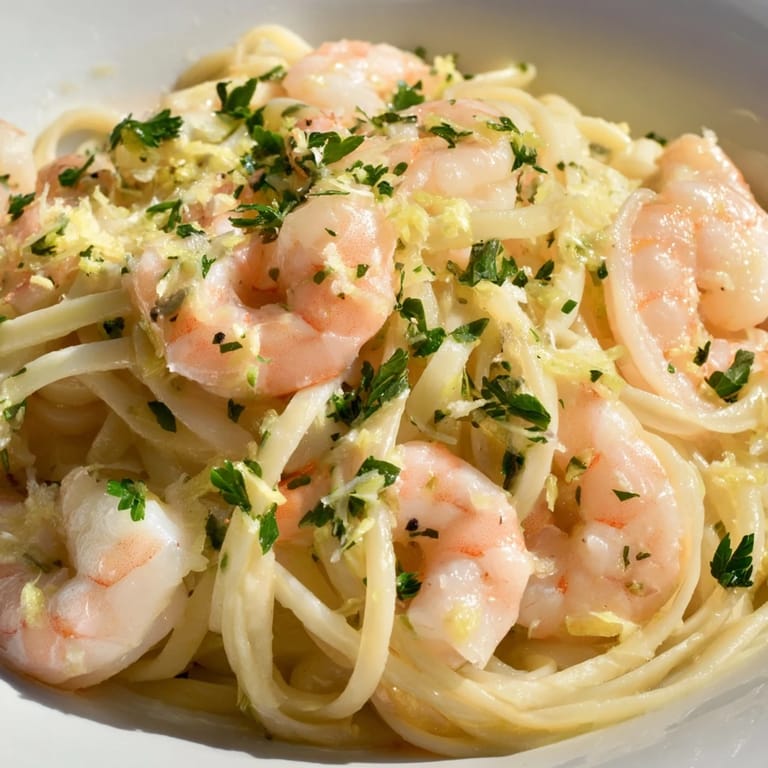
 The sound of butter hitting a hot pan is one of those kitchen moments that never gets old. I was making this on a weeknight after a long day, craving something that felt fancy but wouldn't keep me at the stove forever. The garlic started to sizzle, and suddenly the whole apartment smelled like a coastal Italian restaurant. My neighbor knocked on the door asking what I was cooking, and I realized this dish had a way of announcing itself.
I made this for my sister when she visited last spring, and she kept twirling her fork dramatically, insisting I had to open a restaurant. The lemon brightened everything just enough to keep it from feeling heavy, and we ended up eating straight from the skillet because neither of us wanted to pause long enough to plate it properly. She still texts me photos whenever she attempts it at home.
Ingredients
- Large shrimp: Go for the bigger ones if you can, they stay juicy and have more presence in each bite, and always pat them dry so they sear instead of steam.
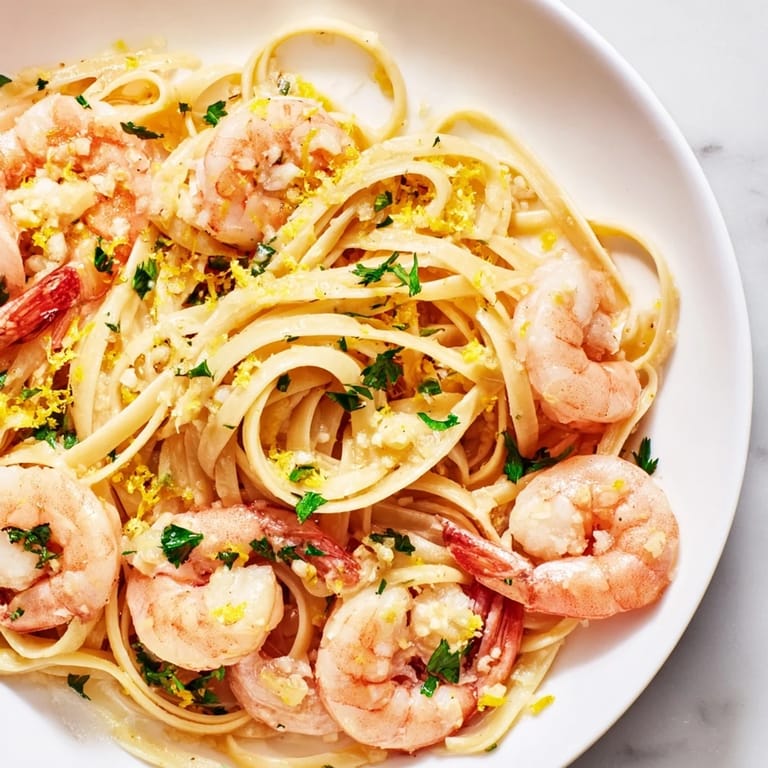
- Linguine pasta: The flat shape grabs onto the buttery sauce better than round spaghetti, and cooking it just until al dente means it won't turn mushy when you toss it in the skillet.
- Unsalted butter: This gives you control over the salt level, and it creates that silky richness that olive oil alone can't quite achieve.
- Extra virgin olive oil: Mixing it with butter prevents burning and adds a fruity depth that balances the richness.
- Garlic cloves: Fresh minced garlic is non negotiable here, the jarred stuff just doesn't bloom the same way in hot fat.
- Crushed red pepper flakes: Just a pinch adds warmth without making it spicy, but you can skip it if you're cooking for kids.
- Lemon zest and juice: The zest brings aromatic oils that brighten the whole dish, and the juice cuts through the butter so it never feels greasy.
- Fresh parsley: This isn't just garnish, it adds a fresh herbal note that makes the dish feel complete.
- Parmesan cheese: Optional but wonderful, it adds a nutty saltiness that plays beautifully with seafood despite what purists might say.
Tired of Takeout? 🥡
Get 10 meals you can make faster than delivery arrives. Seriously.
One email. No spam. Unsubscribe anytime.
Instructions
- Boil the pasta:
- Get your salted water rolling before you do anything else, and cook the linguine just until it has a slight bite in the center. Save some of that starchy pasta water before draining, it's liquid gold for bringing the sauce together later.
- Prep the shrimp:
- While the pasta bubbles away, pat those shrimp completely dry with paper towels and season them lightly with salt and pepper. Dry shrimp sear beautifully instead of steaming in their own moisture.
- Start the sauce:
- Melt the butter with the olive oil over medium heat, then add the garlic and red pepper flakes, stirring constantly for about a minute. You want the garlic fragrant and just turning golden, not brown and bitter.
- Cook the shrimp:
- Lay the shrimp in a single layer so they make contact with the pan, and resist the urge to move them around. Let them cook for 2 minutes on each side until they turn pink and opaque, no longer.
- Brighten with citrus:
- Stir in the lemon zest and juice, letting it bubble for just a moment. The acidity will lift all those buttery garlic flavors and make everything taste brighter.
- Toss it together:
- Add your drained linguine to the skillet and toss everything together with tongs, adding splashes of reserved pasta water to create a silky sauce that coats every strand. The starch in that water helps emulsify the butter into something glossy and beautiful.
- Finish and serve:
- Pull the pan off the heat and toss in the fresh parsley, then taste and adjust the salt and pepper. Serve it immediately while it's hot, with Parmesan on the side for anyone who wants it.
 Save to Pinterest
 There was this one evening when I doubled the recipe for a small dinner party, and everyone went quiet for the first few bites. Someone finally said it tasted like vacation, and I realized that's exactly what this dish does, it transports you somewhere sunny and relaxed even if you're just standing in your own kitchen. We finished two bottles of wine and every last strand of pasta.
Making It Your Own
I've played around with this recipe more times than I can count, and it's incredibly forgiving. A splash of dry white wine added right before the shrimp makes it taste even more restaurant quality, and sometimes I throw in halved cherry tomatoes for little bursts of sweetness. If you like heat, double or triple the red pepper flakes. I've also used fettuccine when I was out of linguine, and it worked beautifully because the wider noodles caught even more of that garlicky butter.
Pairing Suggestions
This dish practically begs for a crisp white wine, something with enough acidity to match the lemon. I usually reach for a Sauvignon Blanc or Pinot Grigio, both are bright and refreshing without overpowering the delicate shrimp. On the side, a simple arugula salad with a light vinaigrette and some crusty bread to mop up every drop of sauce makes it a complete meal. If you're feeling indulgent, garlic bread is never a bad idea even though there's already plenty of garlic happening.
Storage and Reheating
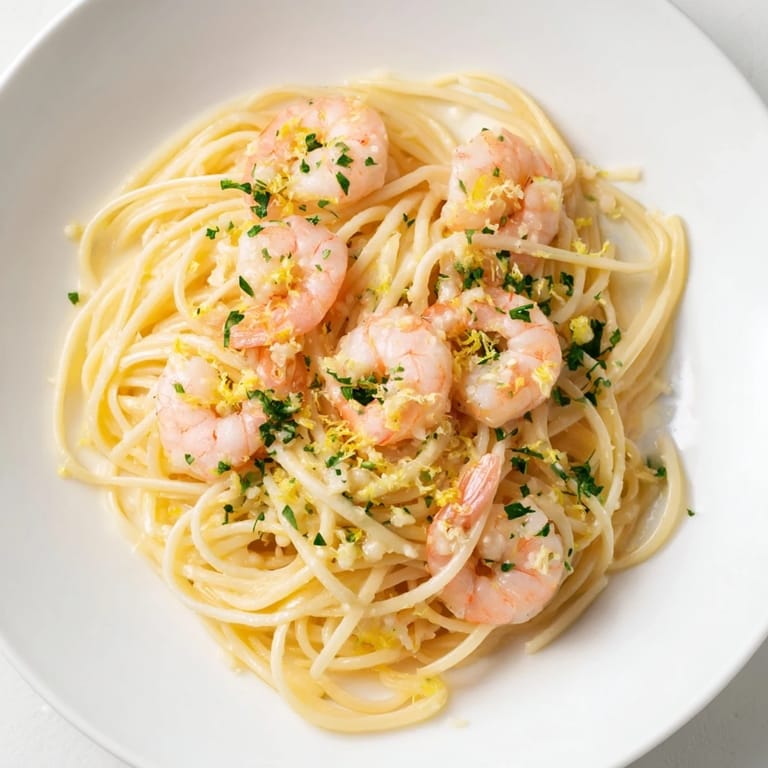
Honestly, this is a dish best enjoyed fresh, but leftovers can be stored in an airtight container in the fridge for up to two days. The shrimp will firm up a bit and the pasta will absorb more sauce, so it won't be quite the same as when it was first made. When reheating, add a splash of water or broth to a skillet over low heat and warm it gently, stirring frequently so the shrimp don't turn rubbery.
- Never microwave this if you can avoid it, the shrimp get tough and the pasta dries out.
- If you know you'll have leftovers, slightly undercook the shrimp so they don't overcook when reheated.
- You can also toss cold leftovers with fresh arugula and a squeeze of lemon for a surprisingly good pasta salad.
 Save to Pinterest
 This recipe has become one of those reliable favorites I turn to when I want something special without the stress. It proves that simple ingredients, treated well, can feel like a celebration.
Recipe FAQs
- → How do I know when the shrimp is cooked through?
Shrimp cooks quickly and turns from gray to pink when done. Cook for about 2 minutes per side—they should be opaque throughout but still tender. Overcooked shrimp becomes rubbery, so watch carefully.
- → Can I prepare this ahead of time?
Cook the pasta and shrimp separately up to a few hours ahead. Store them in the refrigerator. When ready to serve, quickly reheat the shrimp in the butter sauce, then toss with pasta, adding reserved pasta water to loosen the sauce.
- → What pasta water does and why should I reserve it?
Pasta water contains starch that helps emulsify the sauce, making it cling beautifully to the noodles. Adding small amounts gradually helps loosen a thick sauce without diluting the flavors.
- → Can I make this with frozen shrimp?
Yes, frozen shrimp works well. Thaw completely and pat dry thoroughly before cooking. Excess moisture prevents proper browning and can make the sauce watery.
- → What wine pairs best with this dish?
Crisp white wines like Sauvignon Blanc or Pinot Grigio complement the buttery shrimp and bright lemon flavors perfectly. You can also add a splash of dry white wine to the sauce for added depth.
- → How can I make this dairy-free?
Substitute the butter with additional extra virgin olive oil and omit the Parmesan cheese. The dish remains flavorful with the garlic, lemon, and shrimp as the star ingredients.