 Save to Pinterest
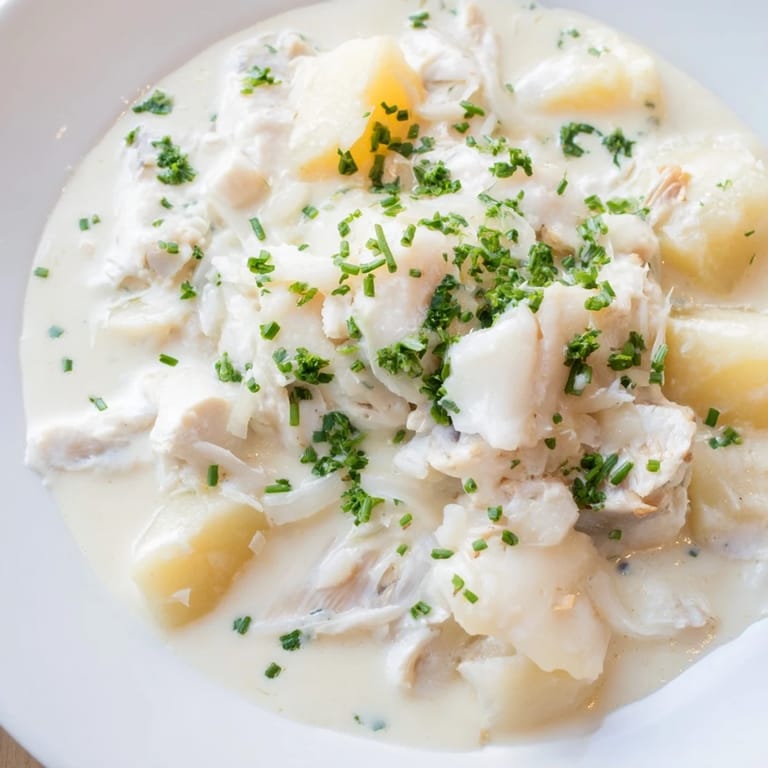
 There's something about the way Icelandic winters grip the kitchen that makes you crave this stew. I first tasted it during a brief visit to Reykjavik, sitting in a small café while sleet hammered the windows, and the warmth of that creamy, gentle broth felt like the entire country wrapped around me in a bowl. Years later, I recreated it at home on a day when the cold felt relentless and nothing else seemed right, and I understood then why Icelanders return to this dish again and again. The tender fish dissolves almost apologetically into the cream, the potatoes offer a soft anchor, and the herbs whisper rather than shout. It's the kind of meal that doesn't demand your attention, just your presence.
I made this for my partner on an evening when we'd both had long days and neither of us wanted to think too hard. The kitchen filled with the smell of butter and onions, then milk warming through, and by the time we sat down with steaming bowls, something in the air had shifted. We didn't talk much, just ate slowly, and I watched his shoulders relax with each spoonful. That's when I realized this stew isn't really about feeding hunger—it's about feeding something quieter.
Ingredients
- Cod or haddock fillets (500 g): White fish has a delicate sweetness that won't overpower the cream; if your fishmonger has anything that's been sitting around, ask for the freshest they have today.
- Butter (60 g): Don't skimp here—it's what carries the flavor and keeps the broth tasting rich without being heavy.
- Whole milk and heavy cream (500 ml milk, 100 ml cream): The milk does most of the work; the cream is just there to whisper luxury into the background.
- Potatoes (500 g): Waxy potatoes hold their shape better than starchy ones, so they don't dissolve into mush (though some mashing is intentional).
- Onion (1 medium): Finely chopped so it becomes almost invisible, sweetening everything as it cooks.
- Fresh parsley and chives: These are the finale, the green note that keeps the whole thing from feeling heavy.
- Bay leaf, salt, white pepper, nutmeg: The bay leaf flavors the poaching liquid; white pepper won't show dark specks; nutmeg is optional but it adds an unexpected warmth that makes people ask what it is.
Tired of Takeout? 🥡
Get 10 meals you can make faster than delivery arrives. Seriously.
One email. No spam. Unsubscribe anytime.
Instructions
- Start the potatoes:
- Cut them into small cubes and boil them in salted water until they yield easily to a fork, about 12 to 15 minutes. This head start means everything finishes at the same time.
- Poach the fish gently:
- Place fillets in barely simmering water with a bay leaf and salt, and let them cook until opaque and flaking, usually 6 to 8 minutes. Save that cooking liquid—it's liquid gold, flavored by the fish itself.
- Build the base:
- Melt butter in your pot and cook the onion slowly until it's soft and pale, not brown. This is where patience matters, and five minutes feels like enough time for everything to loosen and sweeten.
- Gently combine:
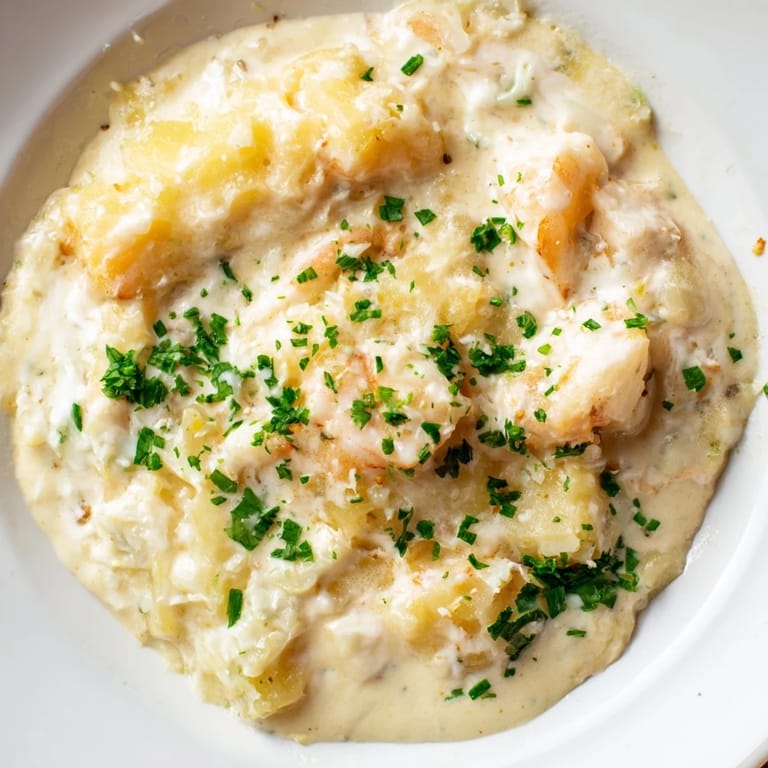
- Add the drained potatoes and mash them partially, leaving plenty of chunks for texture and visual interest. The mashing isn't aggressive; you're creating a loose, chunky bed.
- Add the fish and reserved liquid:
- Flake the poached fish into large pieces so you can still identify it in the finished stew, then pour in that reserved poaching liquid. Stir softly.
- Cream and heat:
- Pour in the milk and cream, then warm everything over low heat, stirring now and then, until it's steaming and creamy. Never let it boil; boiling breaks the cream and makes everything grainy.
- Season and finish:
- Taste, then add salt, white pepper, and a pinch of nutmeg if you'd like. Stir in half the parsley and chives, keeping the rest for garnish on top.
 Save to Pinterest
 The first time I made this for guests, I was nervous—fish stews can feel fancy in a way that intimidates. But halfway through the meal, someone asked for the recipe, and another person went quiet for a moment and said it reminded them of home. That's when I understood that the best dishes are the ones that slip past your defenses and live in a place that has nothing to do with technique.
On Lightness and Richness
This stew walks a line between comfort and refinement that took me a few tries to understand. The cream is there, yes, but the milk does most of the lifting, so you get that wrapped-in-warmth feeling without the heaviness that makes you want to nap immediately after eating. If you want to go lighter, use only milk and skip the cream entirely—you'll lose a little velvet, but the core of the stew remains beautiful. I've made it both ways, and honestly, I can't say one is definitively better, only that they're different moods for different nights.
The Fish Question
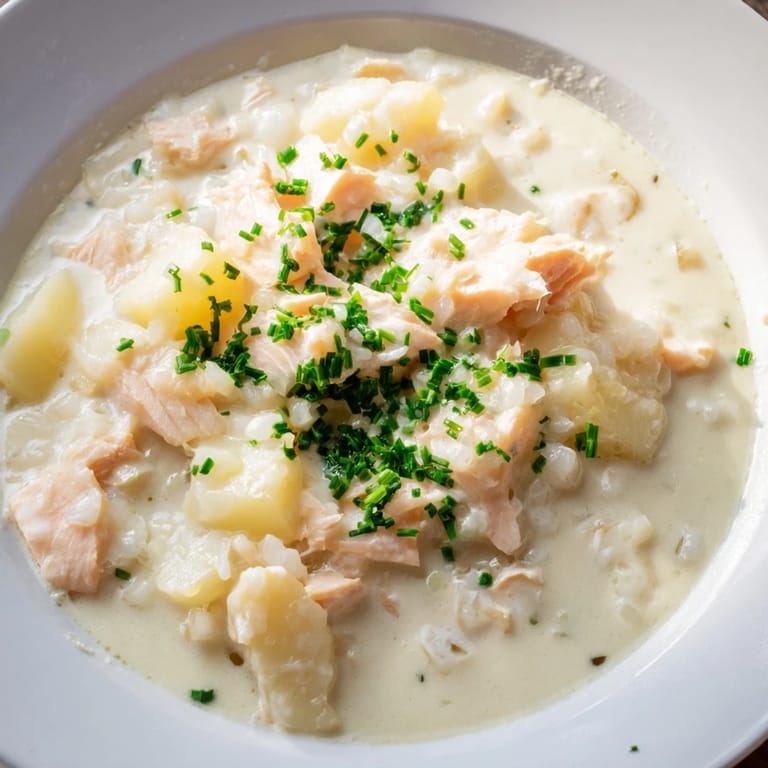
Cod and haddock are traditional, but I've played around with halibut, pollock, and even salmon, and each one shifts the personality slightly. Cod is the most delicate, almost neutral, letting the cream take center stage. Salmon brings a richness that changes the whole dynamic—more luxurious, but less traditionally Icelandic. The thing I learned the hard way is that you want fillets without skin, and they should be fresh-looking and firm when you buy them. If your fishmonger is out of the white fish you planned for, ask what just came in rather than settling for something that's been sitting in the case for days. The fish quality will make or break this stew in ways that nothing else can.
Variations and Stretches
Once you understand the mechanics of this stew, it becomes wonderfully flexible. I've added leeks alongside the onion for a softer sweetness, and I've stirred in a handful of frozen peas at the end for color and a slight sweetness that feels right. In winter, when I have access to really good smoked fish, I've made a version using that instead of fresh, which darkens the broth and adds a complexity that's almost autumnal. The bones of the recipe—soft potatoes, flaked fish, creamy broth—stay the same, but the variations let you keep coming back without it ever feeling repetitive.
- Try adding leeks, celery, or carrot for more vegetable presence and natural sweetness.
- A tablespoon of lemon juice added at the very end brightens everything without making it taste acidic.
- Dark rye bread is the traditional pairing, but honestly, any crusty bread will soak up the broth like it's meant to.
 Save to Pinterest
 There's a reason this stew has endured through centuries of Icelandic winters. It asks for very little but gives back a kind of comfort that feels almost spiritual. Make it when you need it, and let it do what it knows how to do.
Recipe FAQs
- → What type of fish is best for this stew?
Cod or haddock fillets are ideal due to their firm texture and mild flavor, which hold well when poached.
- → Can I substitute cream with another ingredient?
Yes, you can omit cream for a lighter version, using only whole milk to maintain creaminess without added richness.
- → How should the potatoes be prepared?
Peel and dice the potatoes, then boil until tender before gently mashing with some texture left intact.
- → What herbs enhance the flavor of this dish?
Fresh parsley and chives add a bright, herbal note that complements the creamy fish and potatoes well.
- → Is there a traditional accompaniment to this stew?
Traditional Icelandic rye bread (rúgbrauð) pairs beautifully, adding a hearty, slightly sweet contrast.
- → How do I prevent the dairy from curdling?
Heat the milk and cream gently over low heat without boiling, stirring frequently to keep a smooth texture.