 Save to Pinterest
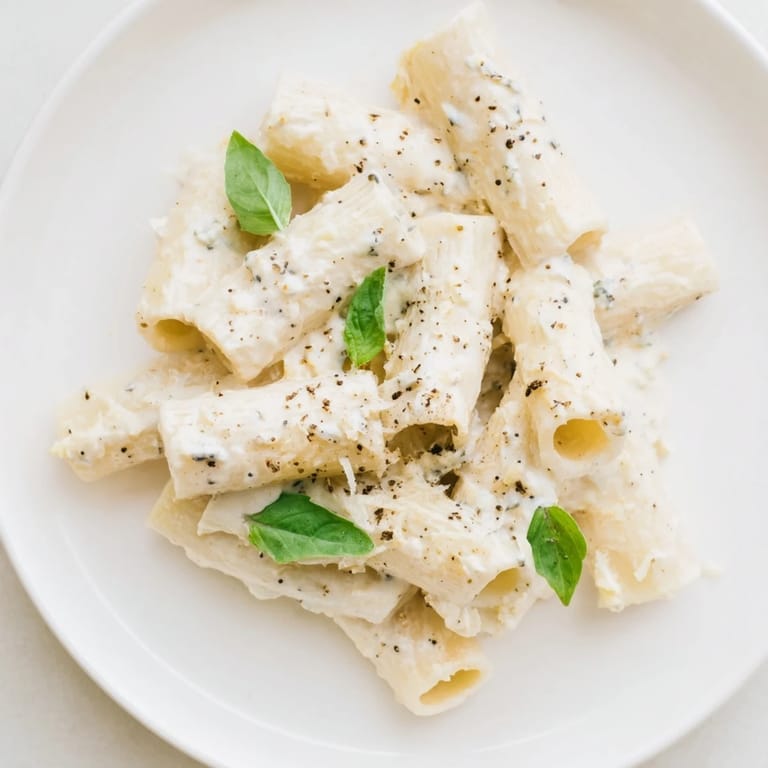
 I discovered this pasta on a lazy Tuesday afternoon when my coworker wouldn't stop raving about some TikTok recipe she'd been making all week. Skeptical but curious, I pulled together what I had in the fridge—cottage cheese, a box of penne, some Parmesan—and blended it all together out of sheer boredom. The result was unexpectedly silky and satisfying, nothing like the grainy dairy disaster I'd braced myself for. Now it's become my go-to when I need something that feels indulgent but doesn't require much thought.
I made this for a friend who was recovering from an injury and kept saying she had no appetite for anything heavy. The moment she twirled that first bite onto her fork and tasted it, her whole face changed—she actually smiled. Something about the simplicity and the fact that it felt nourishing rather than fussy made her ask for the recipe immediately. That moment taught me that good food isn't about complexity; it's about hitting the right note at the right time.
Ingredients
- Dried pasta (180 g): Penne, rigatoni, or spaghetti all work beautifully here—pick whatever you love eating. The shape matters less than cooking it to exactly al dente because it continues softening slightly when it hits the warm sauce.
- Cottage cheese (200 g): This is the whole trick; it becomes silky and luxurious when blended, replacing what would normally be heavy cream. Full-fat tastes richer, but low-fat works perfectly fine if that's what you have.
- Parmesan cheese (30 g, freshly grated): Freshly grated makes a noticeable difference in how smoothly everything blends together compared to pre-shredded. It adds sharpness that cottage cheese alone can't deliver.
- Milk (2 tbsp): This acts as your insurance policy, helping the blender do its job and letting you adjust consistency later as the sauce warms.
- Garlic (1 clove, minced): Don't skip this—it's the invisible backbone that keeps the sauce from tasting flat or one-note.
- Extra virgin olive oil (1 tbsp): A good quality oil rounds out the flavor profile and adds a subtle richness that feels intentional.
- Black pepper and salt: Season thoughtfully here because you're starting with mild ingredients, and everything depends on these to shine.
- Italian herbs (½ tsp, optional): Use this if you love dried herbs, or skip it if you'd rather keep the focus on the sauce itself.
- Fresh basil, extra Parmesan, and red pepper flakes for serving: These aren't extras—they're the finishing touches that transform a simple bowl into something you actually want to eat.
Tired of Takeout? 🥡
Get 10 meals you can make faster than delivery arrives. Seriously.
One email. No spam. Unsubscribe anytime.
Instructions
- Get your pasta water ready:
- Fill a large pot with salted water—it should taste like the sea—and bring it to a rolling boil. This is where flavor starts, so don't rush or skimp on the salt.
- Cook the pasta:
- Add your pasta and stir it immediately so nothing sticks together. Cook until al dente according to the package timing, then fish out about ½ cup of that starchy water before draining. That reserved water is liquid gold for adjusting your sauce later.
- Blend the sauce:
- While the pasta cooks, toss the cottage cheese, Parmesan, milk, minced garlic, olive oil, pepper, salt, and herbs into a blender. Blend until completely smooth—this usually takes about a minute. If you see any cottage cheese lumps clinging to the sides, scrape them down and blend again.
- Warm the sauce gently:
- Pour everything into a large skillet over low heat and stir constantly. You're not trying to cook anything here, just warm it through and let the flavors meld; this takes maybe 2 to 3 minutes. If it looks too thick, splash in a bit of reserved pasta water until it reaches that silky consistency you want.
- Marry pasta and sauce:
- Add your drained pasta to the skillet and toss constantly until every strand is coated. If it seems dry, add more pasta water a splash at a time until everything feels luxurious and slides around the pan.
- Plate and finish:
- Divide between bowls while everything is still warm, then scatter torn fresh basil, extra Parmesan, and red pepper flakes across the top. Serve immediately because this is best eaten right now.
 Save to Pinterest
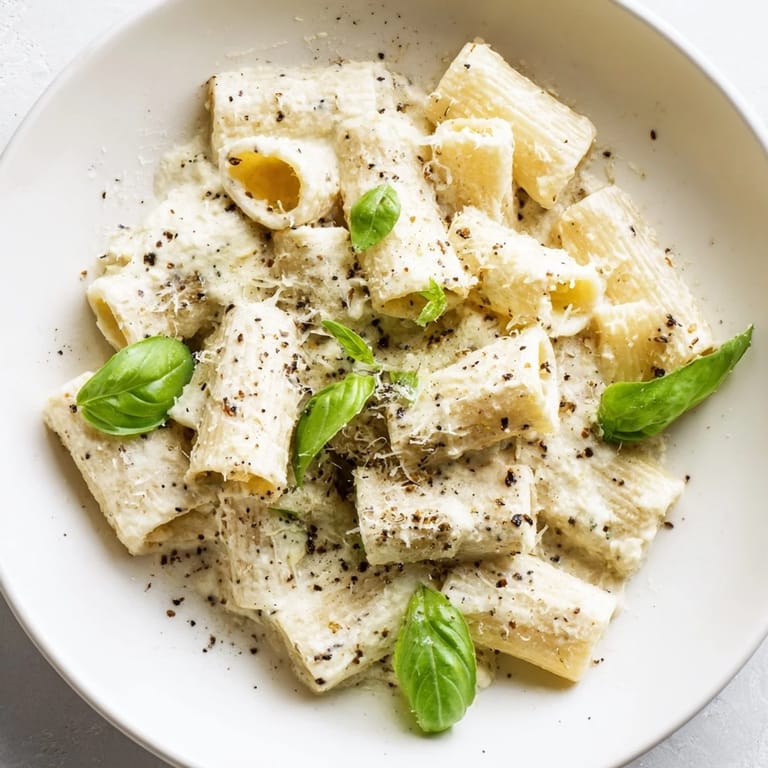
 My sister once made this without the fresh basil because she thought it was decorative, and she called me afterward genuinely disappointed with herself. When she added basil the next time, she understood immediately—it's not a garnish, it's a flavor that matters. Those small green leaves wake everything up and give you something bright to bite into between creamy forkfuls.
Why This Sauce Actually Works
Cottage cheese has this reputation for being chunky and bland, so the first time you blend it into silk, it genuinely feels like kitchen magic. The proteins in it stabilize the sauce without any cream, the Parmesan adds umami depth, and the olive oil brings richness that makes your brain think you're eating something indulgent. It's one of those happy accidents where diet-friendly and delicious stop being opposites.
Making It Your Own
This recipe is a canvas more than a rulebook. Stir in shredded rotisserie chicken if you want more protein, or sauté some mushrooms if you're feeding vegetarians who need substance. Ricotta works as a swap if you love milder flavors, and whole wheat or high-protein pasta adds nutrition without changing the technique.
The Timing Game
The beauty of this dish is that it's genuinely fast, but it doesn't feel rushed. Twenty-five minutes from hungry to satisfied is the kind of magic that keeps you making something instead of defaulting to takeout. The window between cooking and serving is tight though—eat it while the sauce is still warm and the pasta hasn't started absorbing everything back into dryness.
- Have your bowls warming on the counter before the pasta finishes so plating doesn't cool anything down.
- Taste the sauce right before you add the pasta and adjust salt and pepper now, not after mixing.
- If you're cooking for two and one person eats faster, give their portion the extra Parmesan and basil so it stays interesting.
 Save to Pinterest
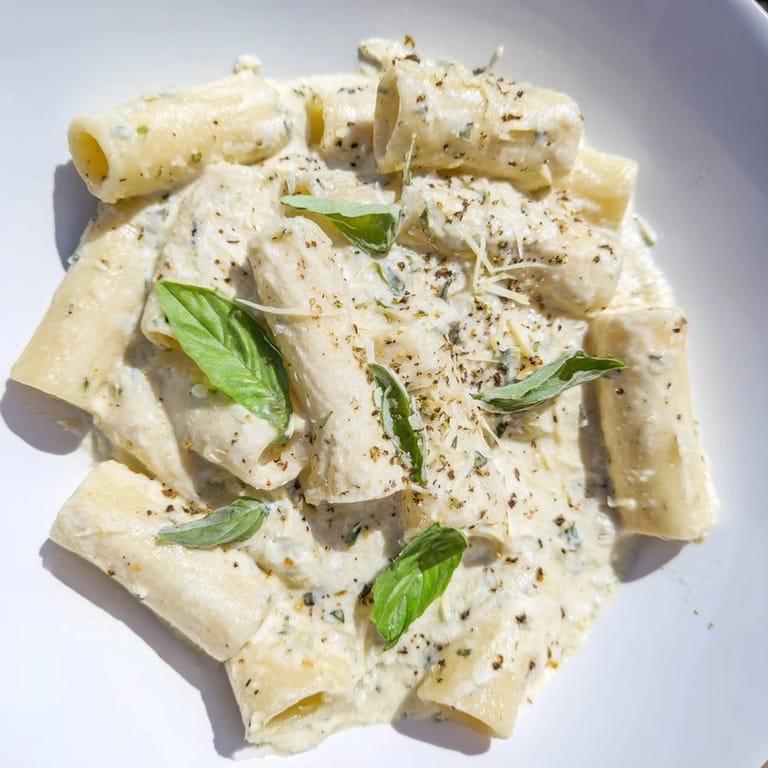
 This pasta has become my answer to the question of how to feed yourself well when you're tired or busy or just need something that tastes like comfort without requiring a cookbook. It's proof that simple ingredients handled with a little intention can be just as satisfying as anything more complicated.
Recipe FAQs
- → What type of pasta works best with this creamy sauce?
Penne, rigatoni, or spaghetti all complement the creamy texture well, offering great sauce coverage and bite.
- → Can I adjust the sauce consistency?
Yes, adding reserved pasta water or extra milk allows you to achieve a silky, smooth sauce to your preference.
- → Are there suitable protein additions for this dish?
Cooked chicken or sautéed mushrooms can be stirred in for extra protein and variety.
- → Is there an alternative to cottage cheese for a milder flavor?
Ricotta cheese can be substituted to provide a softer, less tangy taste while maintaining creaminess.
- → How can I enhance the dish's flavor at serving?
Garnishing with fresh basil, extra Parmesan, and optional crushed red pepper flakes adds brightness and depth.