 Save to Pinterest
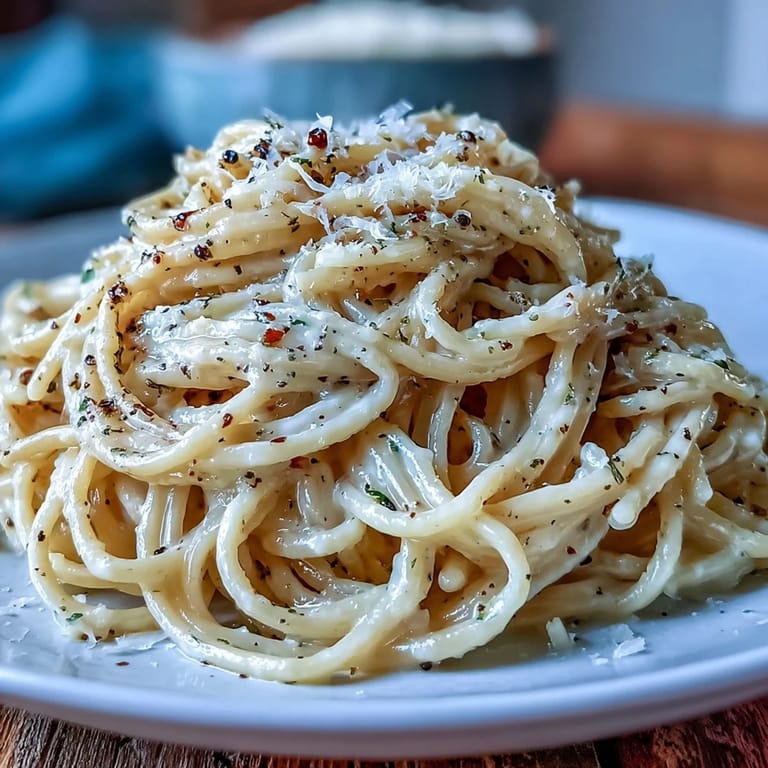
 The skillet was still warm from dinner when my neighbor knocked, holding a wedge of Pecorino and a pepper grinder. She'd just returned from Rome and wanted to show me what she called "the real thing." We stood at my stove, and she made me promise: no cream, no garlic, just cheese, pepper, and faith in the pasta water. That night, I learned that simplicity isn't about leaving things out; it's about letting every element sing.
I made this for my brother on a Tuesday night when he'd had a rough day at work. He sat at the counter, skeptical that something so plain-looking could be worth the fuss. Then he took a bite, went quiet, and asked for seconds before he'd finished his first serving. Now he texts me every few weeks asking if it's "cacio night."
Ingredients
- Spaghetti or tonnarelli: Tonnarelli is the traditional choice with its square shape that grabs the sauce, but spaghetti works beautifully and is easier to find.
- Pecorino Romano cheese: This is the soul of the dish; buy a wedge and grate it yourself because pre-shredded won't melt into that silky sauce you're after.
- Whole black peppercorns: Freshly cracked pepper blooms with flavor when toasted, unlike the pre-ground stuff that's been sitting in your cabinet.
- Kosher salt: For the pasta water; it seasons the noodles from the inside out.
- Unsalted butter: Not traditional, but a small amount helps the sauce come together if you're still learning the technique.
Tired of Takeout? 🥡
Get 10 meals you can make faster than delivery arrives. Seriously.
One email. No spam. Unsubscribe anytime.
Instructions
- Boil the pasta:
- Bring a large pot of water to a rolling boil, salt it well, and cook your spaghetti until it still has a slight bite. Before you drain, scoop out at least 1½ cups of that starchy, cloudy water; it's your secret weapon for the sauce.
- Toast the pepper:
- While the pasta bubbles away, put your cracked peppercorns in a dry skillet over medium heat and let them get fragrant, about a minute. You'll smell it when it's ready, warm and almost floral.
- Build the base:
- Pour a cup of that hot pasta water into the skillet with the toasted pepper and lower the heat. This creates the foundation of your sauce.
- Toss the pasta:
- Add your drained pasta to the skillet and toss it around, letting it drink up some of that peppery water. The noodles should glisten.
- Add the cheese:
- Pull the skillet off the heat and start sprinkling in your grated Pecorino, tossing constantly and vigorously like you're trying to wake it up. Add splashes of reserved pasta water as needed until the sauce turns creamy and clings to every strand.
- Finish and serve:
- If you're using butter, toss it in now and stir until it melts into the sauce. Plate immediately, top with more cheese and pepper, and eat it while it's hot.
 Save to Pinterest
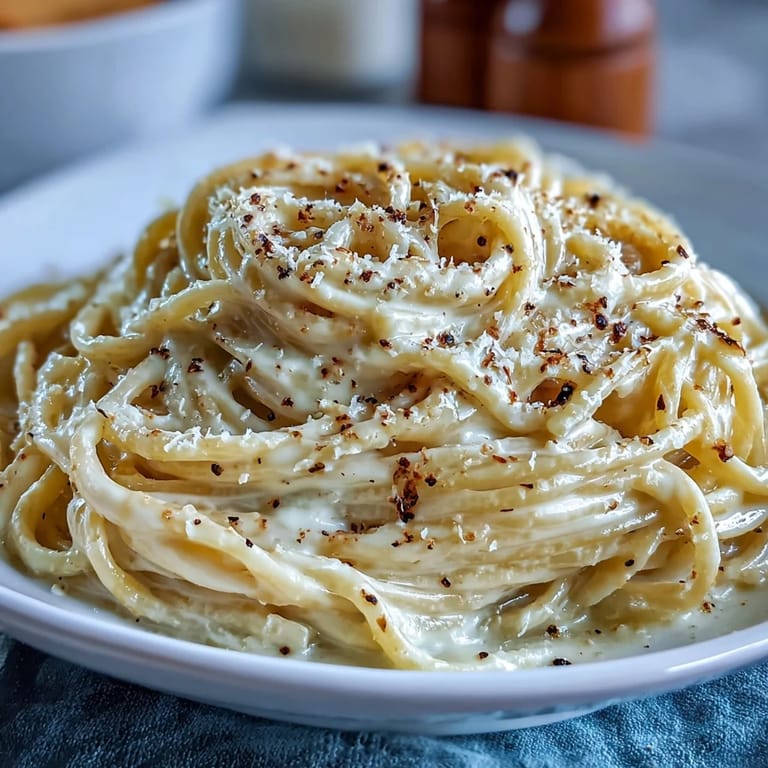
 There's a moment, right when the cheese melts into the water and everything comes together, when the sauce shifts from separated to silky. The first time I saw it happen, I actually gasped. It felt like I'd unlocked something, like the dish had let me in on the secret. Now I chase that moment every time I make it.
Choosing Your Pasta
Tonnarelli is thicker and square, with more surface area to hold the sauce, and it's what you'd get in a Roman trattoria. Spaghetti is thinner and twirls beautifully on a fork, and honestly, it's what I use most often because it's always in my pantry. Either way, cook it just shy of al dente because it'll finish cooking in the skillet with the sauce.
Why Pasta Water Matters
That cloudy, starchy water isn't just hot liquid; it's the glue that binds the cheese and pepper into a creamy coat instead of a clumpy pile. I used to drain my pasta completely and wonder why the sauce never came together, until someone explained that the starch is what makes the emulsion work. Now I guard that cup of pasta water like it's gold.
Serving and Storing
Cacio e pepe is best eaten the moment it's made, straight from the skillet while the sauce is still glossy and the pasta is hot. Leftovers will separate and dry out in the fridge, though you can revive them with a splash of water or milk in a pan over low heat. I've found it's better to just make what you'll eat and save the rest of the ingredients for another night.
- Serve it in warm bowls so the sauce doesn't cool too quickly.
- Have extra grated Pecorino and a pepper grinder at the table for anyone who wants more.
- A crisp white wine or sparkling water with lemon cuts through the richness beautifully.
 Save to Pinterest
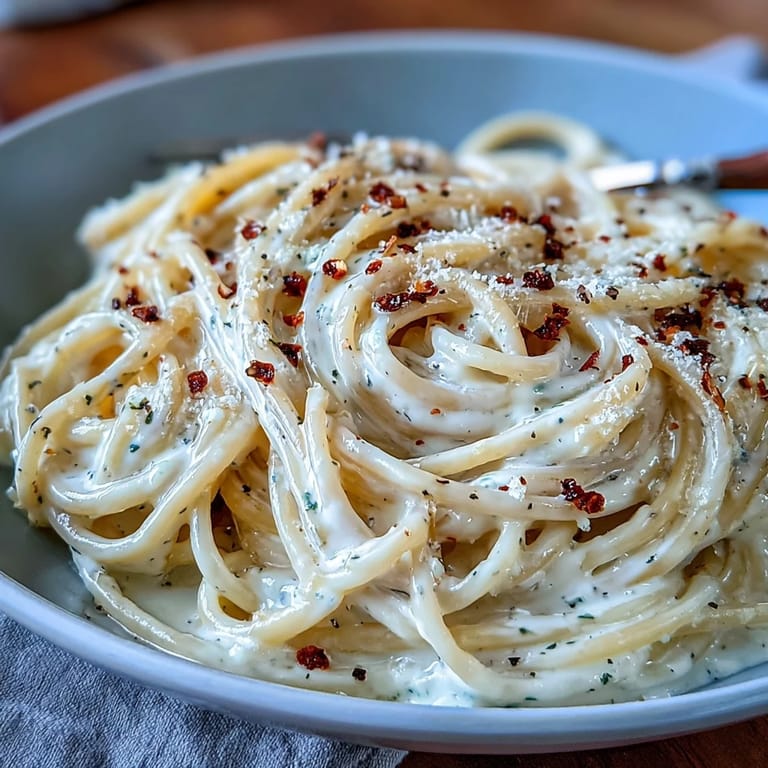
 This dish taught me that technique matters just as much as ingredients, and that sometimes the simplest recipes ask the most of you. But when you get it right, when that sauce shines and every bite tastes like Rome, it's worth every bit of effort.
Recipe FAQs
- → Why does my Pecorino clump instead of creating a smooth sauce?
The cheese clumps when added to water that's too hot. Remove the pan from heat before adding Pecorino, and add it gradually while tossing vigorously. The residual heat will melt the cheese smoothly without scrambling it.
- → Can I substitute Parmesan for Pecorino Romano?
While Parmesan works in a pinch, Pecorino Romano's sharper, saltier flavor is essential to authentic Cacio e Pepe. Pecorino also melts differently, creating the characteristic creamy texture that defines this dish.
- → How much pasta water should I reserve?
Reserve at least 1½ cups of starchy pasta water. This liquid is crucial for creating the sauce's silky consistency. Add it gradually—you can always add more, but you can't take it away.
- → What's the best pasta shape for Cacio e Pepe?
Tonnarelli (square-cut spaghetti) is traditional in Rome, but regular spaghetti works beautifully. The long strands capture the creamy sauce perfectly. Avoid short pasta shapes as they don't provide the same experience.
- → Should I add butter to traditional Cacio e Pepe?
Traditional Roman versions skip butter entirely, relying on pasta water and cheese for creaminess. However, a small amount of butter adds richness and helps stabilize the sauce for home cooks still mastering the technique.
- → How do I reheat leftover Cacio e Pepe?
Reheating is challenging as the sauce tends to separate. If needed, add a splash of water or milk in a pan over low heat, stirring constantly. For best results, this dish is meant to be enjoyed immediately after preparation.